
Most of us only pay attention to our car battery when it’s already too late, leaving us stranded at the worst possible moment. A better approach is to catch the problem before it leaves you stuck. A routine battery test is a simple, proactive step that offers incredible peace of mind, ensuring your car starts reliably every single time. The battery test cost is a tiny investment when you compare it to the expense and frustration of a tow truck, a missed appointment, and an emergency repair. This guide will walk you through why regular testing is a smart move, where you can get it done, and what a fair price looks like, helping you transition from reactive fixes to preventative care that keeps you in control.
Key Takeaways
- Use free tests for a quick check-up, but not for a recurring problem: A free test from an auto parts store is great for a quick voltage reading, but a paid diagnostic is essential for finding the root cause of persistent electrical issues.
- Factor convenience into the cost: While many battery tests are free, they require you to drive to a store and wait. Mobile services bring the expertise to you, saving you time and providing a more thorough inspection of your vehicle’s overall health.
- A dead battery isn’t always a bad battery: The issue could be a faulty alternator or another electrical drain. A comprehensive test can identify the real problem, preventing you from paying for a new battery you don’t actually need.
How Much Should a Car Battery Test Cost?
Figuring out the cost of a car battery test can feel tricky because prices range from completely free to over $70. The right choice depends on whether you need a quick check-up or a more thorough diagnostic. A simple test can tell you if your battery is holding a charge, but a comprehensive one can uncover underlying electrical issues that might be draining your battery in the first place. Understanding the difference will help you decide where to go and what to expect, ensuring you only pay for what you truly need.
Free vs. Paid Battery Testing
When your car is slow to start, your first step doesn’t have to cost a dime. Many auto parts stores and service centers, like AutoZone and Batteries Plus, offer a free battery test to check its basic health. Even organizations like AAA provide this service for their members, sometimes right in your driveway. These quick checks are perfect for getting a fast, initial diagnosis. They can tell you if your battery is holding a proper charge and help you decide if a replacement is needed, saving you from getting stranded without spending any money upfront.
What Influences the Price?
If a free test is inconclusive or you suspect a deeper problem, a paid diagnostic is the next logical step. The average battery test cost typically falls between $49 and $72, a price that mainly covers the technician’s time and expertise. The reason for the cost is that a “dead” battery isn’t always a bad battery. The issue could stem from other parts of your car’s electrical system, like corroded cables, a failing alternator, or an electrical drain that saps power when the car is off. A paid service investigates these other potential causes, giving you a complete picture and preventing you from replacing a perfectly good battery.
Where Can You Get a Car Battery Test?
When your car starts showing signs of a weak battery, figuring out where to get it tested shouldn’t add to your stress. The good news is you have several convenient options, from services that come to your driveway to quick stops at a local store. The right choice for you depends on how much time you have and the level of service you’re looking for.
Mobile Services That Come to You
For the ultimate convenience, mobile services bring the test right to your home or office. You don’t have to rearrange your day, drive a potentially unreliable car, or wait in a shop. Companies like Mobile Car Care integrate battery checks into their routine on-site vehicle maintenance, catching issues before you get stranded. Roadside assistance providers like AAA also offer mobile battery testing for their members. This option is perfect if you’re juggling a busy schedule and want a professional to handle it while you focus on other things. It’s about getting peace of mind without the hassle.
Auto Parts Stores
Most major auto parts stores offer free battery testing, and it’s a popular choice for a reason. Chains like AutoZone, Advance Auto Parts, and O’Reilly Auto Parts can test your battery in just a few minutes right in their parking lot. You can also find free battery testing at specialty shops like Batteries Plus. This is a fantastic no-cost way to get a quick health check on your battery. The staff can usually tell you on the spot if you need a replacement and can help you find the right one if you do. Just be prepared for a potential sales pitch for a new battery.
Local Mechanics and Dealerships
Your trusted local mechanic is another great resource for a battery test. Many independent shops will perform a quick test for free, hoping to earn your business if you need a new battery or other services. It’s a good way to build a relationship with a mechanic you can rely on. Dealerships also perform battery tests, though they are more likely to charge for the service unless it’s part of a larger maintenance package or your vehicle is under warranty. While they might be more expensive, they offer brand-specific expertise that can be valuable for newer or more complex vehicles.
What Does a Battery Test Actually Involve?
When you hear “battery test,” you might picture a quick, simple check. But not all tests are created equal. A proper battery test is a health screening for one of your car’s most vital components. It goes beyond a simple “yes” or “no” to tell you how well your battery is performing and how much life it likely has left.
A comprehensive test looks at a few key metrics. First is the voltage, which shows the battery’s basic charge level. More importantly, it measures the Cold Cranking Amps (CCA), which is the battery’s ability to start your engine in cold weather. A thorough test also assesses the battery’s overall condition and its capacity to hold a charge over time. Understanding what’s included helps you know if you’re getting a real diagnostic or just a surface-level glance.
The Difference Between a Basic Check and a Full Diagnostic
Think of a basic battery check as taking your temperature—it gives you one data point, but not the full picture of your health. These quick tests, often offered for free at auto parts stores, typically just measure the battery’s voltage. While a voltage reading can tell you if the battery is charged, it won’t reveal underlying problems or predict how it will perform under stress.
A full diagnostic is more like a complete physical. It uses specialized equipment to assess the battery’s ability to hold a charge and deliver the power your car needs to start. This comprehensive analysis can catch a weakening battery long before it leaves you stranded, giving you a much more accurate and reliable assessment of its health.
What to Look for in a Service
When you’re looking for a battery testing service, you want to make sure you’re getting a thorough evaluation. Don’t be afraid to ask what the test includes. A quality service should be able to provide a detailed report on your battery’s voltage, its Cold Cranking Amps (CCA) rating, and its reserve capacity. This complete approach is key to why battery testing matters for preventing future headaches.
Also, ask about the equipment they use. A professional service will use advanced diagnostic tools that can provide a precise analysis of the battery’s condition. This is far more reliable than a simple handheld voltmeter. Choosing a service that offers a complete diagnostic ensures you get the peace of mind that comes from knowing your car will start when you need it most.
Free vs. Paid Battery Tests: Is There a Catch?
When you see the word “free,” it’s natural to be a little skeptical. A free battery test sounds great, but what’s the real story? The truth is, both free and paid tests have their place, and knowing the difference can save you from a lot of headaches. The right choice depends on what you need: a quick spot-check or a thorough health assessment for your car’s entire electrical system. Understanding what each service offers helps you get the right answers without paying for things you don’t need.
Think of it like this: a free test is like taking your temperature when you feel a little off. It gives you a single data point. A paid diagnostic is like a full physical with your doctor, where they check your vitals, listen to your symptoms, and look at the whole picture to figure out what’s really going on. If you’re just curious about your battery’s health, a free test is a great starting point. But if you’re trying to solve a recurring problem, like your car struggling to start, a more in-depth look is usually necessary. A paid diagnostic goes beyond the battery to check the components that charge it and draw power from it, giving you a complete picture and preventing you from replacing a perfectly good battery when the real issue is something else entirely.
What Free Services Really Cover
Most auto parts stores and some service centers offer free battery testing as a way to bring customers in the door. This service typically involves a technician using a handheld device to check your battery’s voltage, charge, and cold-cranking amps. It’s a quick, simple process that can tell you if your battery is nearing the end of its life.
The “catch,” if you can call it that, is that these tests are often a sales tool. The primary goal is to sell you a new battery if yours tests weak. While helpful for a quick confirmation, a free test won’t diagnose underlying issues. If your alternator is failing and not charging your battery properly, a new battery will just be a temporary fix for a problem that’s bound to return.
When a Paid Diagnostic Is Worth It
A paid diagnostic is worth the investment when you suspect a deeper electrical issue. If your battery keeps dying, your lights are dimming, or you’re noticing other electrical quirks, the problem might not be the battery at all. A comprehensive diagnostic test checks the battery, starter, and alternator—the three key players in your car’s electrical system.
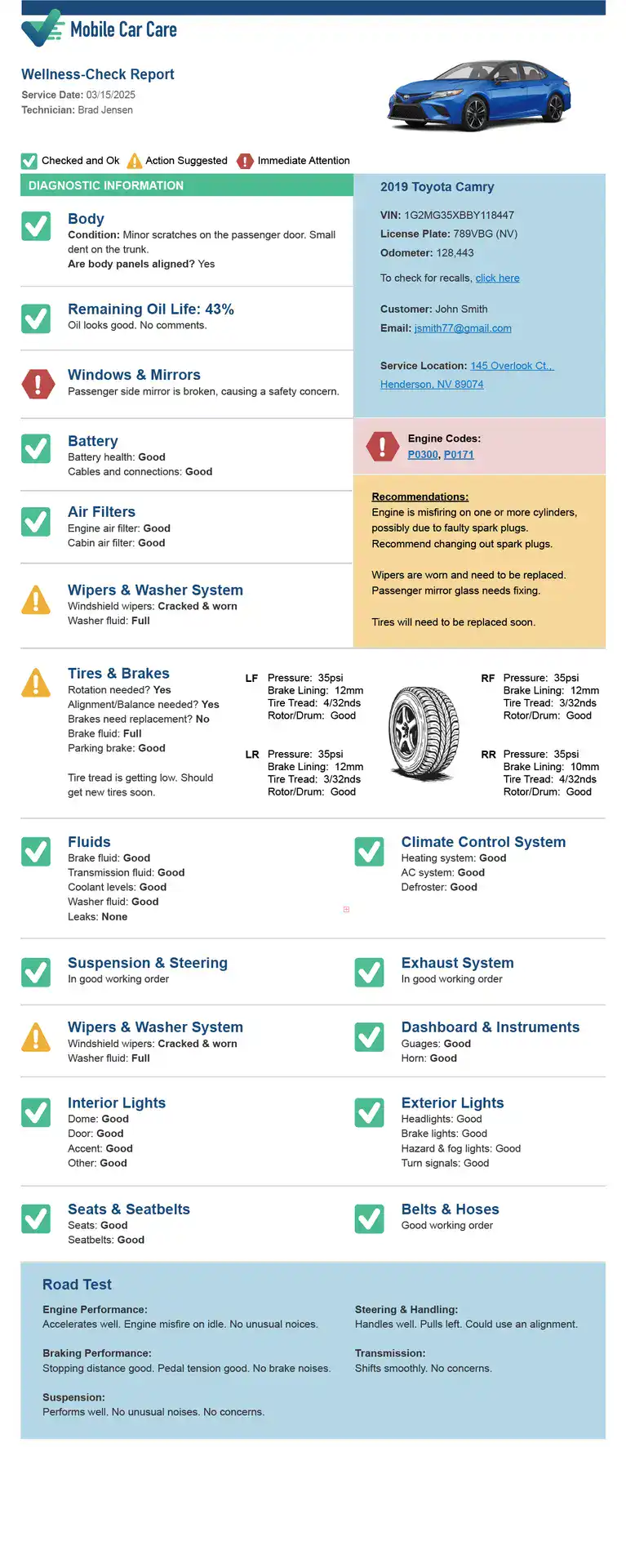
According to RepairPal, the average cost for a battery test is between $49 and $72, which covers the labor for a professional assessment. This fee pays for expertise and equipment that can pinpoint the root cause of a problem, saving you from replacing a battery unnecessarily. A service like our Essential Plan includes a full 85-point wellness check that covers these systems, ensuring you get an accurate diagnosis right in your driveway.
Who Offers the Best Value for a Battery Test?
Deciding where to get your car battery tested really comes down to what you value most: cost, convenience, or specialized expertise. There’s no single “best” answer for everyone, but understanding your options will help you make a smart choice for your schedule and your wallet. Each option has its pros and cons, whether you’re looking for a quick, free check or a more in-depth diagnostic from a specialist. Let’s look at the most common places to get a battery test and see which one fits your needs.
Comparing Auto Parts Chains
If your top priority is saving money, you can’t beat the auto parts stores. Chains like AutoZone and Advance Auto Parts have built a reputation for offering free battery testing. You just drive to a location, and a team member will come out to your car with a handheld tester. The process is usually quick, and you’ll know right away if your battery is still good, getting weak, or needs immediate replacement. By taking advantage of free services like the Autozone battery test, you can stay ahead of problems. The only trade-off is your time—you have to drive there, possibly wait in line, and be prepared for a sales pitch if your battery is on its last legs.
The Convenience of Mobile Services
For busy people, time is the most valuable currency. This is where mobile services shine. Instead of you going to the service, the service comes to you, whether you’re at home or in the middle of a workday at the office. This completely removes the hassle of driving, waiting, and rearranging your schedule. Some services, like our Quick Check plan, include a battery test as part of a larger vehicle wellness inspection. This gives you a full picture of your car’s health right in your driveway. You get professional service and peace of mind without sacrificing an hour or more of your day.
When to Choose a Dealership
A dealership is your best bet in a few specific situations. If your car is still under its original warranty, any battery issues might be covered, so it’s smart to start there. Dealerships are also the experts on your vehicle’s specific make and model, which is crucial if you’re dealing with complex electrical problems that go beyond a simple battery check. Their technicians have specialized training and diagnostic tools designed for your car. While this expertise often comes with a higher price tag, it can be worth it for the assurance that the job is done to the manufacturer’s standards, helping to maintain optimal performance and protect your vehicle long-term.
How to Avoid Overpaying for a Battery Test
It’s easy to feel pressured when your car won’t start, but a little knowledge can save you from spending more than you need to on a battery test. Knowing what to expect and where to look can make all the difference between a quick, affordable fix and an unnecessarily expensive repair bill. By understanding the costs and potential red flags, you can make an informed decision that keeps both your car and your budget healthy.
Getting and Comparing Quotes
Before you agree to any service, it’s smart to understand the typical costs. The average cost for a battery test is usually between $49 and $72, which mostly covers the mechanic’s time. But here’s a tip: you don’t always have to pay. Many auto parts stores offer completely free battery testing services right in their parking lot. They can tell you if your battery just needs a charge or if it’s time for a replacement. Taking a few minutes to call around or check online for free options can save you money right from the start. It’s always worth comparing your options before pulling out your wallet.
Spotting Red Flags and Unnecessary Services
A dead battery isn’t always a sign that the battery itself has failed. Sometimes, it’s just a symptom of a different problem. For instance, a faulty alternator won’t charge your battery properly, or there could be a parasitic drain somewhere in your car’s electrical system. As some drivers have found, a car that won’t start could even point to a bigger issue, like a bad fuel pump. Be cautious if a mechanic immediately suggests a host of expensive services without thoroughly checking the entire electrical system. A good technician will investigate the root cause instead of just treating the symptom. Asking questions and understanding that other parts could be the culprit will help you avoid paying for fixes you don’t actually need.
Related Articles
- On-Site Car Battery Checks: Costs & Providers – Mobile Car Care
- Battery Health Check: How to Test & Maintain Your Car Battery – Mobile Car Care
- 4 Car Battery Test Methods You Should Know – Mobile Car Care
- How to Test a Battery: A Quick & Easy Guide – Mobile Car Care
Frequently Asked Questions
Why should I pay for a battery test when so many places offer it for free? A free test is perfect for a quick, surface-level check on your battery’s voltage. Think of it as a simple screening. A paid diagnostic, however, is a more thorough investigation into your car’s entire electrical system. It examines the battery, starter, and alternator to find the root cause of any issues, which can prevent you from buying a new battery when the real problem lies elsewhere.
How often should I get my car battery tested? It’s a good practice to have your battery checked twice a year, especially before the summer heat and winter cold set in, as extreme temperatures are tough on batteries. If your battery is over three years old, an annual check is a smart move. This proactive approach helps you catch a weakening battery before it fails and leaves you stranded.
My car is struggling to start. How do I know if it’s the battery or something else? A slow, sluggish crank when you turn the key is a classic sign of a dying battery. But if you’ve had to jump-start your car multiple times or your dashboard lights flicker while you’re driving, the issue could be a faulty alternator that isn’t recharging the battery. A comprehensive diagnostic is the best way to distinguish between the two and get an accurate answer.
What’s the main advantage of a mobile service for a battery check? The biggest benefit is convenience. You don’t have to waste time driving to a shop or rearranging your schedule. A technician comes directly to your home or office, which is especially helpful if your car is already unreliable or won’t start at all. It allows you to get a professional assessment without interrupting your day.
If a free test says my battery is “bad,” should I always replace it immediately? Not always. While a free test is a helpful indicator, it’s worth taking a moment to consider the context. If your car has been starting without any issues, the battery might just have a low charge from short trips. Getting a second opinion or a full system diagnostic can confirm that the battery is the true culprit before you spend money on a replacement you might not need.