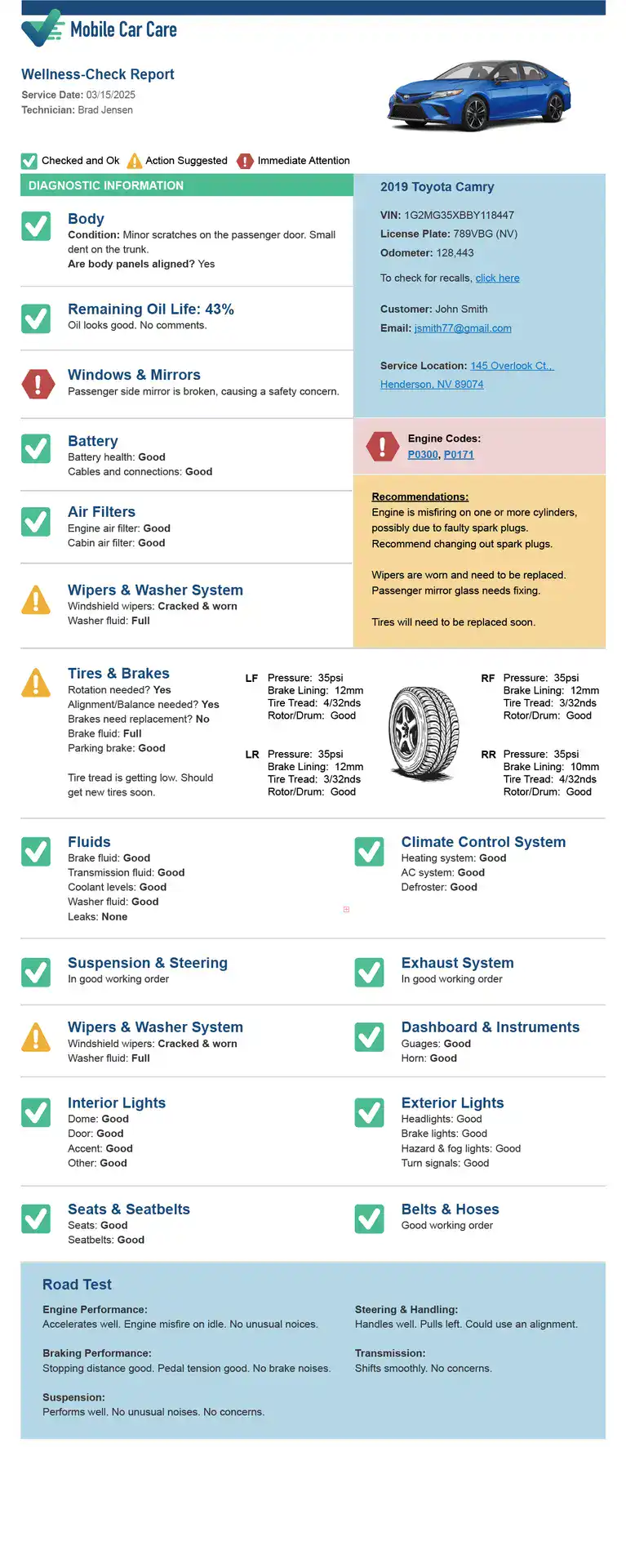

We track our own health with check-ups and fitness scores, so why not do the same for our cars? Your car’s battery has a similar vital sign called its battery state of health (SoH). It’s a percentage that represents its overall condition, starting at 100% when new and declining over time. This isn’t just about how much charge it holds today; it’s about its long-term ability to perform reliably. Understanding this number is like getting a clear diagnosis, helping you catch issues before they become emergencies. It’s the key to shifting from reactive fixes to smart, proactive care that keeps your car dependable and ready for anything.
Key Takeaways
- Your battery’s health is more than its age: A battery’s “State of Health” (SoH) is the true measure of its reliability. When it drops to the 70-80% range, it’s time to consider a replacement to avoid getting stranded.
- Regular checks prevent bigger problems: Watching for slow starts is helpful, but professional diagnostic tests give you a clear picture of your battery’s condition. This proactive approach helps you avoid unexpected failures and protects your car’s alternator from extra strain.
- Small habits have a big impact: You can extend your battery’s life by avoiding frequent short trips that don’t allow it to fully recharge. Also, keeping the terminals clean ensures a solid connection and better performance.
What Does Your Car Battery’s “State of Health” Really Mean?
You’ve probably thought about your car battery’s charge, but have you ever considered its health? Just like our own well-being, a battery’s condition declines over time. The term for this is “State of Health” (SoH), and it’s a vital indicator of your car’s reliability. Understanding this metric is the key to avoiding that dreaded moment when you turn the key and hear nothing but a click. It’s about shifting from reactive fixes to proactive care, ensuring your car is ready to go when you are.
Decoding the Health Percentage
Think of your battery’s State of Health as its personal fitness score, measured as a percentage. A factory-fresh battery starts at 100% SoH, meaning it performs exactly as designed. With every charge cycle, jump-start, and hot summer day, that number slowly drops. This decline means it can’t hold as much power or perform as well as it used to. Most technicians agree that once a battery’s SoH dips to around the 70-80% mark, it’s time for a replacement. Below this threshold, it becomes unreliable and might not have the power to start your car, especially in cold weather.
How Battery Health Affects Your Car’s Safety and Reliability
A battery with a low SoH doesn’t just die quietly; it can compromise your car’s safety and leave you stranded. As its health fades, the battery loses its charge much faster. More critically, a weak battery can cause sudden voltage drops, which can make your car’s electronics misbehave. This could affect everything from your dashboard lights to your engine sensors. Knowing your battery’s SoH helps you understand if it’s still up for the job and gives you a realistic timeline for how much longer it might last, preventing unexpected breakdowns at the worst possible times.
Common Myths About Battery Health, Busted
One common myth is that you can guess a battery’s health just by its age. While age is a factor, it’s not the whole story. SoH is affected by its internal condition, how many times it’s been charged, and even the temperatures it has endured. Another misconception is that there’s a single, standard way to test it. In reality, different systems use various methods to calculate SoH. The most reliable way to get a clear picture is with a professional assessment. A Quick Check can give you an accurate reading and help you know for sure if your battery is still in good shape.
How to Check Your Car Battery’s Health
Knowing your car battery’s health is the key to avoiding that dreaded moment when your car refuses to start. While it might sound technical, understanding its condition is more straightforward than you think. Whether you call in a professional or keep an eye on things yourself, regular checks are a simple way to ensure your car is ready to go when you are. Let’s walk through how it’s done and why it’s so important for your peace of mind.
How Professionals Test Your Battery
When a technician checks your battery, they go beyond a simple visual inspection. They use specialized diagnostic tools to get a precise reading of its health and performance. These tools connect directly to your car’s computer system to analyze detailed data, like its ability to hold a charge and deliver consistent power. This process gives a clear picture of the battery’s condition, catching potential issues long before they leave you stranded. Our technicians perform this exact type of comprehensive check during our Essential Plan visits, giving you a full report without you ever having to leave your driveway.
Simple Ways You Can Monitor It
You don’t need fancy equipment to keep tabs on your battery. Paying attention to your car’s behavior can tell you a lot. Think of your battery’s health in three ways: how much of a charge it can hold, how quickly it delivers power, and how long it’s expected to last. If you notice your engine is slow to turn over, especially on cold mornings, that’s a classic sign of a weakening battery. Other clues include headlights that dim when you turn on the heat or a battery warning light on your dashboard. These little signs are your car’s way of telling you it’s time for a check-up.
Why Regular Checks Prevent Surprises
Let’s be honest, no one has time for a dead battery. Regular checks are all about prevention. A weak battery doesn’t just fail to start your car; it can also strain your alternator and other parts of the electrical system, leading to more expensive repairs down the road. For electric vehicle owners, poor battery health means a shorter driving range and longer charging times. By catching a decline in performance early, you can replace the battery on your own terms. A simple Quick Check can give you the confidence that your car will be reliable, saving you from the stress of an unexpected breakdown.
What Affects Your Car Battery’s Health?
Ever wondered why one car battery lasts for years while another gives out unexpectedly? It’s not just luck. A battery’s health is influenced by its environment, your daily habits, and its age. Several factors determine how well your battery performs, and understanding them can help you avoid the headache of a car that won’t start. From scorching summer days to your daily commute, let’s look at what really impacts your battery.
How Weather and Seasons Take a Toll
Extreme temperatures are one of your battery’s biggest enemies. During hot summer months, high heat can speed up the chemical reactions inside, causing it to degrade faster and lose its ability to hold a full charge. On the flip side, cold winter weather presents its own challenges. The frigid air thickens your engine’s oil, forcing the battery to work much harder to start the car. This extra strain, combined with the cold slowing down the battery’s internal chemistry, can be the final straw for a weak battery. That’s why battery failures often spike during the first cold snap of the season.
The Impact of Your Driving Habits
Your driving routine has a direct effect on your battery’s lifespan. If you mostly take short trips, your battery might be in trouble. Starting the engine uses a huge amount of power, and your car’s alternator needs time to recharge the battery fully. On short drives, the alternator doesn’t get that chance, which shortens its life. Similarly, letting your car sit unused for long periods is also harmful, as the battery will naturally lose its charge. Consistent driving for at least 20 minutes helps keep it properly charged and healthy.
Hidden Culprits: Age, Use, and Power Drains
Beyond the obvious, a few hidden issues can silently wear down your battery. First, there’s simple aging. Car batteries naturally lose their ability to hold a charge as they get older and go through countless charge cycles. Then there are “parasitic drains,” which are small power draws that happen even when your car is off. Things like your car’s clock and security alarm constantly use a tiny bit of electricity. A faulty component can cause a larger drain, secretly depleting your battery. This is where regular checks, like our Total Care plan, can catch these hidden problems before they leave you stranded.
When Is It Time for a New Car Battery?
Knowing when to replace your car battery can feel like a guessing game, but your car often gives you clues long before it leaves you stranded. Paying attention to these signals is the key to avoiding that dreaded click-click-click sound when you’re already running late.
Warning Signs You Can’t Ignore
The most obvious sign of a dying battery is a slow, sluggish engine crank. If your car sounds like it’s struggling to wake up, your battery is likely losing its power. You might also notice your headlights dimming when you start the car or when the engine is idling. Other red flags include a battery warning light on your dashboard, a swollen or bloated battery case, or visible corrosion on the terminals. Professionals measure a battery’s State of Health (SoH), and they generally recommend a replacement when it drops to about 70-80%. At that point, it becomes unreliable, and it’s better to replace it proactively.
How a Weak Battery Affects Your Car’s Performance
A failing battery doesn’t just impact your car’s ability to start. It’s the heart of your vehicle’s electrical system, and when it’s weak, other components feel the strain. You might experience flickering interior lights, a radio that randomly shuts off, or power windows that move slower than usual. This happens because a battery with a lower SoH can’t hold a charge as effectively as a healthy one. This forces your car’s alternator to work overtime to keep the battery charged and power your electronics, which can cause the alternator to wear out prematurely. A simple Quick Check can tell you exactly where your battery stands and prevent these issues from escalating.
How to Extend Your Car Battery’s Life
A dead car battery is one of life’s most frustrating surprises, especially when you’re already running late. The good news is that you can do a lot to keep your battery healthy and extend its lifespan. It all comes down to a combination of proactive care and smart daily habits. By paying a little attention to your battery now, you can avoid the headache of a car that won’t start later. Let’s get into the simple, effective ways you can keep your battery going strong for years to come.
The Power of Proactive Maintenance Checks
The single best thing you can do for your battery is to catch small issues before they become major problems. All car batteries naturally lose some of their capacity over time, but regular health checks can tell you exactly where yours stands. Think of it like a regular check-up. A professional can test the voltage, check for corrosion on the terminals, and ensure the connections are secure. This simple step helps you plan for a replacement on your own terms, not on the side of the road. Our Essential Plan includes these crucial checks to give you total peace of mind.
Smart Habits for a Healthier Battery
Your driving habits also play a big role in your battery’s longevity. Consistently taking short trips doesn’t give the alternator enough time to fully recharge the battery, which can shorten its life. If you can, try to take a longer drive at least once a week. Also, make it a habit to double-check that all lights and accessories are off when you park your car. Even a small dome light left on overnight can drain your battery completely. Keeping the battery terminals clean from dirt and corrosion also ensures a solid connection. These small adjustments can make a surprisingly big difference.
How We Keep Your Battery in Top Shape
When you schedule a visit with us, we don’t just glance at your battery; we perform a comprehensive wellness check. Our technicians use advanced diagnostic tools to get a detailed report on your battery’s health, including its ability to hold a charge and deliver power. We examine the individual cells and connections to make sure everything is working exactly as it should. This thorough process is part of our Total Care Plan, where we handle all the details of proactive maintenance. We save the results from each check, allowing us to track your battery’s health over time and give you a heads-up when it’s time for a replacement.
Related Articles
- Battery Health Check: How to Test & Maintain Your Car Battery – Mobile Car Care
- How to Test a Battery: A Quick & Easy Guide – Mobile Car Care
- 4 Car Battery Test Methods You Should Know – Mobile Car Care
- On-Site Car Battery Checks: Costs & Providers – Mobile Car Care
Frequently Asked Questions
What’s the difference between a battery’s health and its charge? Think of your battery’s charge as its energy level for the day, which goes up and down with use. Its health, or State of Health (SoH), is its overall ability to hold that energy over the long term. A battery can be fully charged but have poor health, meaning it can’t hold that power for long or deliver enough juice to reliably start your car.
So, how long should a car battery actually last? A typical car battery lasts about three to five years, but this can vary quite a bit. Your local climate and driving habits play a huge role. For instance, constant exposure to high heat can shorten its lifespan significantly, as can taking frequent short trips where the battery doesn’t have enough time to fully recharge.
If my battery’s health is low, can I just recharge it to fix it? Unfortunately, no. Recharging a battery only restores its immediate power level, not its long-term health. If the internal components have degraded, it simply won’t be able to hold a charge effectively anymore. Once the State of Health drops too low, a replacement is the only safe and reliable option.
Does it matter what kind of battery I get as a replacement? Yes, it definitely matters. Modern cars, especially those with start-stop technology and lots of electronics, often require specific types of batteries, like an AGM (Absorbed Glass Mat) battery. These are built to handle a much higher electrical demand. Installing the wrong type can lead to poor performance and a much shorter lifespan.
How can you accurately test my battery’s health at my home? Our technicians use professional, portable diagnostic tools that are just as effective as the equipment used in a traditional shop. These devices connect to your car and measure key performance data, like its voltage and ability to deliver power under load. This gives us a precise State of Health reading right in your driveway.