When you’re buying a used car, it can sometimes feel like the seller holds all the cards. You’re relying on their word and a short test drive to make a major financial decision. It’s time to level the playing field. A detailed 150 point inspection puts the power back in your hands by providing you with objective, expert information about the vehicle’s true condition. It transforms you from a hopeful buyer into an informed one. Armed with a comprehensive report, you can ask the right questions, negotiate effectively, and make a choice based on facts, not feelings. This isn’t just about avoiding a lemon; it’s about driving away with complete confidence in your decision.
Key Takeaways
- Gain Confidence and Bargaining Power: A thorough pre-purchase inspection protects you from costly surprises and provides a detailed report you can use to negotiate a fair price or confidently walk away from a bad deal.
- Not All Inspections Are Equal: A standard check-up is a surface-level glance, while a 150-point inspection is a complete review of the car’s mechanical, electrical, and safety systems, catching problems that are otherwise easy to miss.
- Choose Your Inspector Wisely: The quality of your inspection depends on the professional performing it. Look for certified technicians who provide a transparent process and a detailed written report to ensure you get an accurate assessment.
What is a 150-Point Inspection?
So, you’ve found a used car that looks perfect, but you’re wondering what might be hiding under the surface. This is where a 150-point inspection comes in. Think of it as a complete health check-up for a vehicle, designed to give you a clear and honest picture of its condition before you make a big purchase. It’s a deep dive into the car’s mechanical, safety, and cosmetic health, identifying any current issues or potential problems down the road. This isn’t just a quick once-over; it’s a thorough process that gives you the confidence to know exactly what you’re buying. A comprehensive wellness check can make all the difference between a great investment and a costly mistake.
A Look Under the Hood: What the Assessment Covers
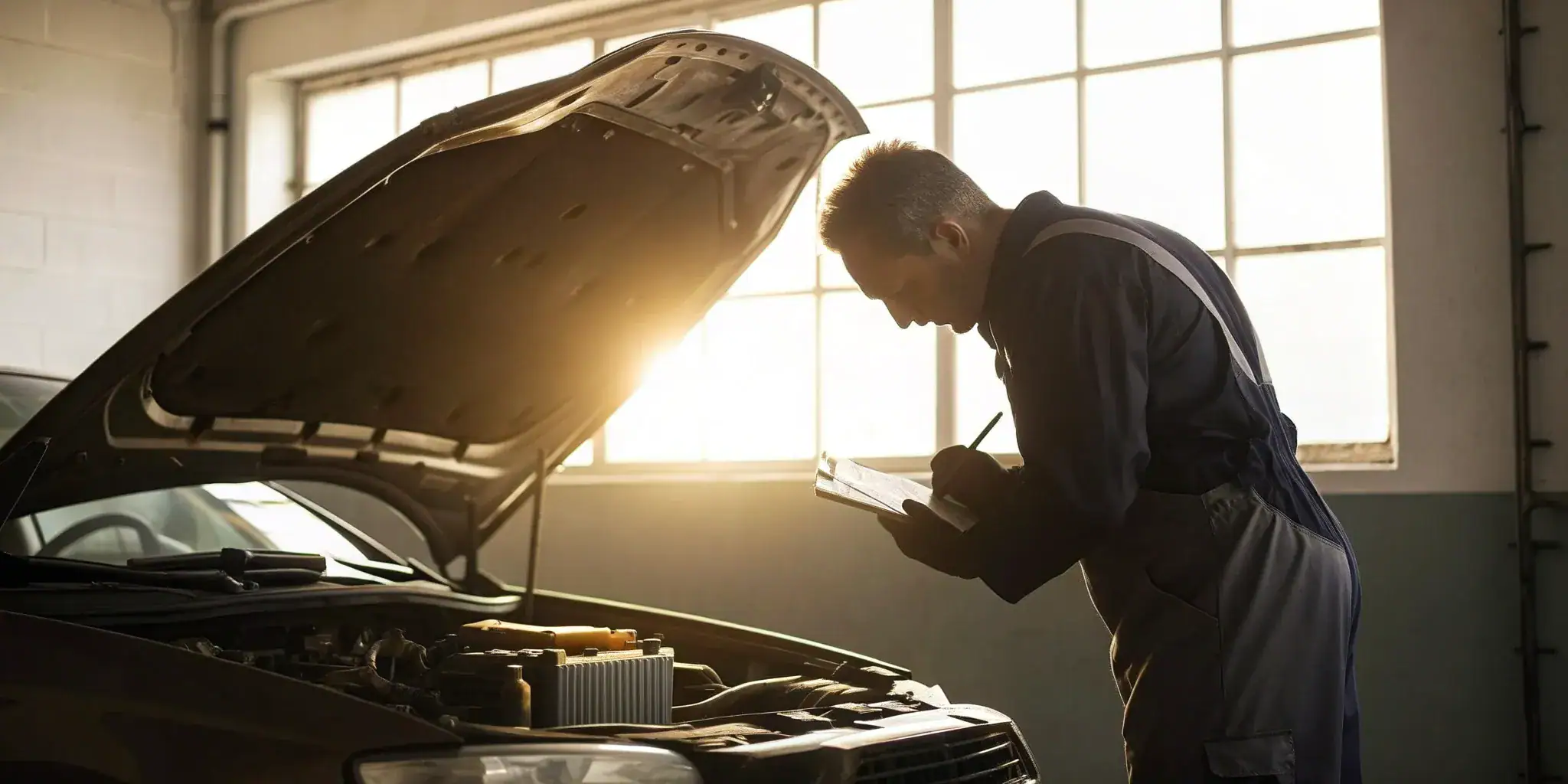
A 150-point inspection examines nearly every critical part of the car. A certified technician will check the heart of the vehicle—the engine and transmission—for performance issues, leaks, or unusual noises. They’ll also test the entire brake system, from the pads and rotors to the brake lines, ensuring you have the stopping power you need. The assessment includes a full review of the electrical system, making sure everything from the battery and alternator to your power windows and radio is working correctly. Finally, a road test confirms how the car handles in real-world driving conditions, which is something you just can’t see when it’s parked.
Key Areas from Bumper to Bumper
This inspection truly covers the car from front to back. Beyond the major mechanical parts, the technician will examine the car’s frame for any signs of damage or previous repairs, which could indicate a past accident. They’ll check the condition of the tires, the suspension, and the exhaust system. Inside, every detail is reviewed, from the upholstery and carpets to the function of every seatbelt and airbag. The exterior is also scrutinized for dents, rust, or paint issues that might not be obvious at first glance. Even the vehicle’s title and history are reviewed to check for any red flags like recalls or salvage titles, giving you a complete overview.
How Long Does the Inspection Take?
Because it’s so thorough, a 150-point inspection isn’t something that can be rushed. You should plan for it to take at least an hour or two, depending on the vehicle. The process is methodical and typically involves several stages. It starts with an initial review of the car’s history and paperwork. Then comes the detailed hands-on inspection of the mechanical and electrical systems. After that, the interior and exterior are carefully examined. The final step is the road test, followed by a detailed report outlining all the findings. This time investment is small compared to the potential cost and stress of discovering a major problem after you’ve already bought the car.
Why You Need a 150-Point Inspection for a Used Car
Buying a used car is exciting. You’ve done the research, found a model you love, and it’s finally in your budget. But before you sign on the dotted line, there’s one crucial step that can make all the difference: a comprehensive 150-point inspection. It might seem like an extra task on your already long to-do list, but it’s the single best way to ensure your new ride is a reliable partner, not a source of stress. Think of it as a background check for your car. A shiny exterior and a clean interior don’t tell the whole story. What’s happening under the hood, inside the transmission, and within the electrical system is what truly matters for your safety and your wallet. This thorough check-up gives you a complete picture of the car’s health, helping you avoid expensive surprises, save money down the road, and drive away with total confidence.
Avoid Costly, Hidden Surprises
Let’s be honest, most of us aren’t expert mechanics. We can check the tire tread and look for obvious dents, but we can’t easily spot a hidden engine leak or previous frame damage that’s been painted over. That’s where a 150-point inspection comes in. It’s specifically designed to protect you from hidden problems before you commit to the purchase. A certified technician methodically examines everything from the engine and transmission to the suspension and electrical components. They know exactly what to look for, uncovering potential issues that could turn your great deal into a money pit. This detailed assessment ensures you know exactly what you’re buying, giving you the power to make an informed decision.
Save Money on Future Repairs
Spending a little on an inspection now can save you a lot on repairs later. A quality pre-purchase inspection can catch serious issues with the engine or transmission—problems that often cost thousands of dollars to fix. When you have a detailed report in hand, you gain significant bargaining power. You can ask the seller to make the repairs, negotiate a lower price to cover future costs, or confidently walk away from a vehicle that’s more trouble than it’s worth. It’s about making a smart financial move. Proactive care is always more affordable than reactive repairs, which is why services like a Total Care Plan are so valuable for keeping your vehicle in top shape long after you buy it.
Drive with Confidence and Peace of Mind
The best part of getting a new car should be the joy of driving it, not worrying about whether it’s going to break down. A 150-point inspection provides invaluable peace of mind, especially when you’re transporting your family. Knowing that a professional has thoroughly vetted your vehicle lets you trust its safety and reliability from day one. It removes the guesswork and anxiety from the buying process. Furthermore, a seller’s willingness to allow an independent inspection is a huge green flag. Reputable dealers who stand behind their inventory often welcome these checks because it builds trust and shows they have nothing to hide. You deserve to feel secure in your purchase, and this inspection is your ticket to confident driving.
150-Point vs. Standard Inspections: What’s the Difference?
When you hear the word “inspection,” it’s easy to assume all check-ups are the same. But when it comes to buying a used car, the difference between a standard look-over and a comprehensive 150-point inspection can be thousands of dollars and a whole lot of stress. Think of it as the difference between a quick glance and a full physical. One gives you a general idea, while the other gives you the complete picture of what’s happening under the surface. Knowing what each type of inspection truly covers is the key to protecting your wallet and ensuring your safety on the road.
The Limits of a Standard Check-Up
A standard check-up is often little more than a surface-level review. A technician might take the car for a quick test drive, check the fluid levels, and look for obvious leaks or cosmetic damage. While this can catch some glaring issues, it barely scratches the surface of a car’s true condition. A quick drive around the block isn’t likely to reveal serious underlying problems with the engine, transmission, or complex electrical systems. This kind of basic review leaves you vulnerable to the previous owner’s hidden problems, which can quickly become your expensive, time-consuming headaches. It’s a gamble that rarely pays off.
What a Comprehensive Inspection Adds
This is where a 150-point inspection changes the game. It’s a meticulous, bumper-to-bumper process designed to give you a complete and honest assessment of the vehicle’s health. Technicians follow a detailed checklist that covers everything from the big-ticket items to the small details. A quality inspection will include a deep dive into the vehicle’s history and safety parts, a thorough mechanical and engine evaluation, a check of all electrical components, a close look at the interior and exterior, and a detailed road test. This process moves beyond guesswork, giving you a factual report you can use to make a confident, informed decision about your purchase.
Critical Areas Basic Inspections Often Miss
The most significant advantage of a comprehensive inspection is its ability to uncover the problems a standard check will almost always miss. These are often the most critical—and costly—issues. Standard inspections frequently overlook common vehicle problems like worn-out brake pads and rotors, which are a direct threat to your safety. They can also miss hidden frame damage from a past accident, failing suspension components that will need expensive replacement, or subtle engine noises that signal a major repair is on the horizon. Without a detailed inspection, you’re essentially driving blind, hoping that no serious issues pop up after you’ve already signed the paperwork.
How to Choose the Right Inspection Service
Not all inspections are created equal, and the person performing the check is just as important as the checklist they use. Finding a trustworthy and skilled service is key to getting an accurate picture of the car’s health. You’re putting a lot of trust in their hands, so it’s worth doing a little homework to find the right partner. When you’re vetting your options, focus on a few key areas: the technician’s qualifications, the transparency of their process, their reputation with other customers, and whether they stand behind their work. A great inspection service will make you feel confident and informed, not confused or pressured.
Look for Certified Technicians
You wouldn’t go to an unlicensed doctor, so why trust your potential car to an uncertified mechanic? Look for services that employ technicians with certifications from a recognized authority like the National Institute for Automotive Service Excellence (ASE). This certification is the industry standard and proves a mechanic has passed rigorous testing and has hands-on work experience. A service that invests in certified inspections shows they are committed to quality and stand behind their expertise. These professionals are trained to spot issues that a less experienced eye might miss, giving you a much more reliable assessment of the vehicle’s condition.
Demand a Transparent Process and Report
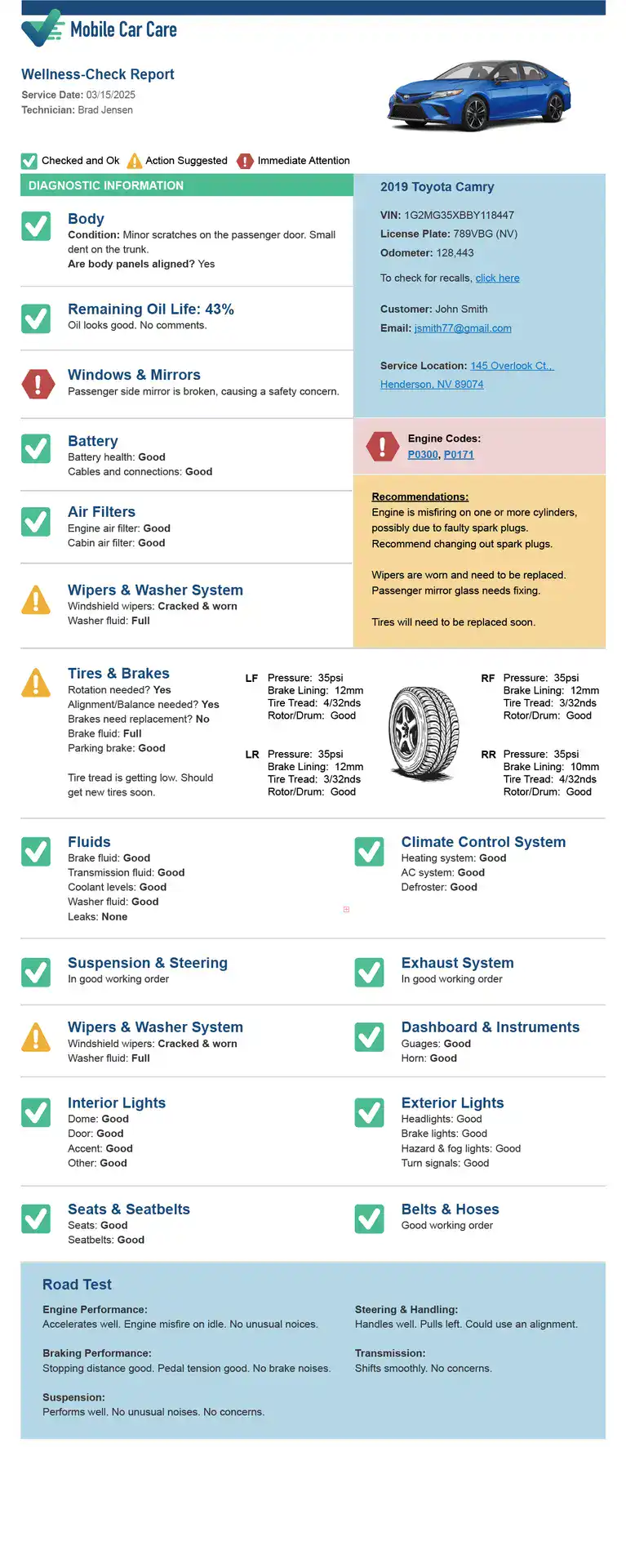
A trustworthy inspection service operates with complete transparency. They should be happy to explain their process, what they’re looking for, and why it matters. After the inspection, you should receive a detailed, easy-to-understand written report—not just a verbal summary or a thumbs-up. This report is your proof, outlining every check performed and noting any issues found, from major red flags to minor cosmetic flaws. A quality service earns its reputation through a process that makes you feel respected and informed. Vague answers or a reluctance to put findings in writing are major warning signs.
Check Customer Reviews and Reputation
Before you book an inspection, see what other people are saying. A quick search on Google, Yelp, or the Better Business Bureau can reveal a lot about a company’s reliability and customer service. Look for patterns in the reviews. Are customers consistently praising the thoroughness of the reports? Do they mention friendly and professional technicians? Don’t just look at the star rating; read the comments to get the full story. A strong public reputation is a great indicator of quality, as companies that value consumer feedback tend to provide better service.
Ask About Service Guarantees
While an inspection service can’t guarantee the car itself, they should be able to stand behind their own work. Ask if they offer any kind of service guarantee or promise of accuracy. This shows they have confidence in their technicians and their process. For example, if a major issue is missed that should have been caught during the inspection, is there any recourse? A company that is willing to back up its service with a guarantee provides an extra layer of peace of mind. It demonstrates a commitment to quality and accountability, assuring you that you’re getting a thorough and professional evaluation.
Where to Get a Reliable 150-Point Inspection
Once you’ve decided to get a comprehensive inspection, the next step is finding the right professional for the job. You have a few great options, and the best one for you really depends on your schedule, budget, and where you are in the car-buying process. Whether you prioritize convenience, dealership certification, or an independent second opinion, there’s a service that fits your needs. Let’s walk through the most common places to get a thorough vehicle inspection so you can choose with confidence.
The Convenience of Mobile Car Care
If your schedule is already packed, the idea of driving a car to a shop and waiting around can feel like a huge hassle. This is where mobile inspection services change the game. Companies like Mobile Car Care bring certified technicians directly to your home or office to perform a comprehensive wellness check on the spot. You get a detailed, easy-to-understand report without ever leaving your driveway. It’s the perfect solution for busy professionals and families who want peace of mind without the logistical headache. A service like the Total Care Plan ensures your vehicle is proactively maintained, catching small issues before they become big problems.
Traditional Dealership Services
Many reputable dealerships offer multi-point inspections on the used cars they sell. When a dealer provides a detailed report from a 150-point inspection, it shows they stand behind their inventory and are committed to transparency. This can be a major green flag. According to experts, a top-rated used car dealer earns their reputation through high-quality vehicles and a process that makes you feel respected. If you’re buying from a dealership, always ask to see their inspection report. It’s a great starting point and gives you a solid understanding of the vehicle’s condition based on their own assessment.
Independent Inspection Shops
Getting an inspection from an independent, third-party mechanic is a smart move for an unbiased opinion. This is especially helpful if you’re buying from a private seller or if the dealership’s own inspection feels a bit vague. An independent technician has no stake in the sale, so their only job is to give you the unvarnished truth about the car’s health. If a seller or dealer seems hesitant to let you take the car for an independent check-up, that’s a major red flag. A trustworthy seller will have nothing to hide and should support your decision to get a second opinion.
How to Know Your Inspection Was Done Right
An inspection is only as good as the report you get afterward. Once the technician has finished looking over the vehicle, your job is to make sure you understand the results and feel confident in their assessment. A trustworthy service will be happy to walk you through everything, ensuring you have a clear picture of the car’s health. This isn’t about being difficult; it’s about being a smart car owner. You’re paying for peace of mind, so let’s make sure you get it.
Get the Full Report in Writing
Think of the inspection report as the official record of your car’s health check. A verbal summary is nice, but a detailed, written report is non-negotiable. This document is your proof of what was checked, what passed, and, most importantly, what didn’t. Reputable inspectors and dealers who provide comprehensive reports show they stand behind their inventory.
Your report shouldn’t be a simple checklist. Look for a detailed breakdown that includes notes, photos, and clear explanations for any issues found. It should categorize findings by urgency—what needs immediate attention, what can be monitored, and what’s in great shape. This document becomes your roadmap for future maintenance and helps you hold the seller or inspector accountable.
Key Questions to Ask Your Inspector
Once you have the report in hand, don’t be shy about asking questions. A great technician will be happy to clarify their findings. This is your chance to understand the story the car is telling. A transparent process where you feel respected and heard is a sign of a quality service.
Here are a few key questions to get the conversation started:
- Can you walk me through the three most critical findings in this report?
- Are there any issues that could become major problems down the road?
- What are your qualifications and certifications for performing this type of inspection?
- Based on these results, what would be your recommendation for the next steps?
Red Flags to Watch For
Unfortunately, not all inspections are created equal. Some are little more than a marketing gimmick, as some car buyers have found when they realize a “150-point inspection” was just a quick glance. The biggest red flag is any resistance to providing a detailed report or answering your questions. If a seller or inspector gives vague answers or makes you feel like you’re being a nuisance, it might be time to walk away.
Be cautious if the report is just a series of checkmarks with no specific notes or if the inspector immediately pressures you into expensive repairs without a clear explanation. A trustworthy professional focuses on giving you accurate information, not just upselling you. Your goal is to find a partner in car care who values transparency as much as you do.
Related Articles
- What to Look for in an Inspection Report – Mobile Car Care
- Used Car Pre-Purchase Inspection Guide: Everything You Need to Know – Mobile Car Care
- Independent Car Inspections: What Every Car Buyer Must Know – Mobile Car Care
- 85-Point Inspection: What’s Included & Why It Matters – Mobile Car Care
- Pre-Purchase Car Inspection: A Smart Buyer’s Guide – Mobile Car Care
Frequently Asked Questions
Is a 150-point inspection necessary if the car has a clean history report? Think of it this way: a vehicle history report is like a patient’s medical chart, showing past events. A 150-point inspection is the full physical exam that tells you about its current health. A clean report is a great start, but it won’t tell you about current wear and tear on the brake pads, the actual condition of the engine, or slow leaks that haven’t caused a major incident yet. The inspection gives you the complete, up-to-the-minute story.
What should I do if the inspection uncovers problems? Finding issues doesn’t automatically mean you should walk away from the car. The inspection report is a powerful tool that gives you options. You can use the findings to negotiate a lower price with the seller to cover the cost of future repairs. Alternatively, you can ask the seller to fix the specific problems as a condition of the sale. If the issues are too significant or costly, the report gives you the confidence to walk away knowing you avoided a bad investment.
Can I just take the car to any mechanic for this? While your local mechanic might be fantastic for routine maintenance, a pre-purchase inspection is a specialized task. You want to find a service that uses certified technicians who know exactly what to look for in a used vehicle. The most important factor is ensuring the opinion is unbiased. That’s why getting an inspection from a third party who has no connection to the seller is always a smart move.
Is this inspection only for buying a used car from a private seller? Not at all. A comprehensive inspection is a wise step for any used car purchase, including those from a dealership. While many reputable dealers perform their own checks, an independent inspection acts as a second opinion that verifies their claims. It ensures nothing was overlooked and gives you total peace of mind that you’re getting a quality vehicle, regardless of who you’re buying it from.
How is this different from a basic state safety inspection? A state inspection and a 150-point inspection serve two very different purposes. A state inspection is a simple check to ensure a vehicle meets the minimum legal safety standards to be on the road, like working headlights and adequate tire tread. A 150-point inspection is a much deeper assessment of the car’s overall mechanical, electrical, and cosmetic health to determine its quality, reliability, and value. It’s designed to protect you as a buyer, not just meet a legal requirement.