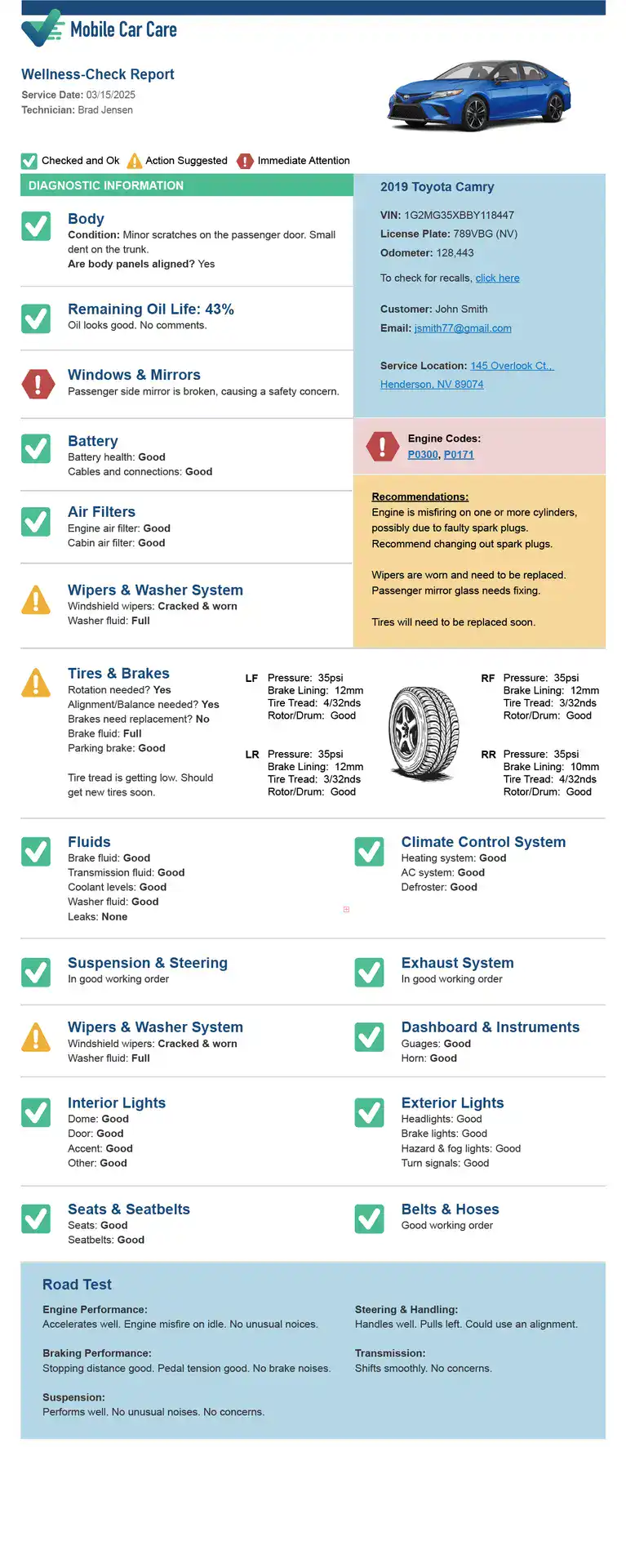
Need on-site help for your business vehicles? See Mobile Car Care’s mobile fleet maintenance in Las Vegas service page for custom fleet quotes.
Managing the logistics of vehicle service can feel like a full-time job. Taking vehicles out of rotation, shuffling drivers to and from a repair shop, and dealing with unexpected downtime all steal focus from your actual business. But what if maintenance could happen without disrupting your workflow? Modern solutions are built around convenience, bringing expert care directly to your location. This approach saves countless hours and eliminates the logistical headaches of traditional service. Finding the right partner for fleet maintenance in Las Vegas means you can keep your team productive and your vehicles healthy. Here, we’ll cover the different service models available so you can choose the one that best fits your operational needs.
Key Takeaways
- Treat fleet maintenance as a core business function: Proactive care is more than just fixing problems; it’s a strategy that prevents expensive downtime, makes your operational costs predictable, and protects your company’s revenue and reputation.
- Find a service model that fits your workflow: The best maintenance partner is one that minimizes disruption. Consider whether on-site mobile service or a traditional repair center better supports your daily operations to maximize vehicle uptime and team productivity.
- Budget specifically for the Las Vegas climate: Your financial plan should account for both routine service and the accelerated wear caused by our intense heat. Proactively budgeting for items like batteries, tires, and cooling system checks will prevent seasonal failures.
Why Is Regular Fleet Maintenance a Smart Move for Your Business?
When your business depends on vehicles, keeping them in top shape isn’t just another task on your to-do list; it’s a core part of your business strategy. Think of regular fleet maintenance as a proactive plan for success. It’s about catching small issues before they sideline a vehicle, ensuring your team can do its job without interruption, and protecting your bottom line. A well-maintained fleet is more reliable, safer for your drivers, and ultimately more profitable for your company. It means you can say goodbye to most surprise repair bills and hello to more predictable operational costs. In a place like Las Vegas, where the environment alone can be tough on vehicles, having a solid maintenance routine is even more critical. It’s the difference between running a smooth, efficient operation and constantly putting out fires. Investing in regular check-ups prevents the kind of domino effect that a single breakdown can cause, from missed appointments and unhappy customers to overtime for other team members trying to pick up the slack. It’s a smart move that pays dividends in efficiency, reputation, and peace of mind.
Keep Your Fleet on the Road and Your Business Running
Every hour a vehicle is off the road for an unexpected repair is an hour of lost productivity and potential revenue. For your customers, it can mean delayed services or deliveries, which can damage your reputation. The key is to stay ahead of problems. Without consistent maintenance, normal wear and tear can quickly build up, leading to increased risks of breakdowns. Regular inspections of tires, brakes, fluids, and engine components allow you to address minor issues before they become major, costly failures. This proactive approach ensures your vehicles are always ready to go, keeping your business running smoothly and your customers happy.
Protect Your Vehicles from the Las Vegas Heat
The Las Vegas heat is no joke, and it can be brutal on your fleet. Extreme temperatures accelerate the breakdown of batteries, belts, and hoses. Tires wear out faster on hot asphalt, and cooling systems have to work overtime to prevent engines from overheating. This intense environment makes proactive care essential. Taking steps to manage your fleet maintenance costs is critical for staying competitive. Regular checks on fluid levels, battery health, and tire pressure aren’t just best practices here; they’re a necessary defense against the climate. A maintenance plan tailored to our desert environment protects your investment and prevents heat-related failures that can stop your business in its tracks.
Save Money with Predictable Maintenance Costs
While it might seem counterintuitive, spending money on regular maintenance actually saves you a significant amount in the long run. A scheduled oil change or brake inspection is a small, predictable expense you can budget for. An emergency engine repair or transmission replacement is not. Regular service helps you avoid those expensive breakdowns and makes your vehicles last longer, which is a huge help for sticking to a budget. By catching wear and tear early, you prevent the cascade of damage that leads to those budget-breaking repair bills. Plus, a well-cared-for vehicle has a longer lifespan, giving you a better return on a very expensive asset.
Improve Safety and Stay Compliant
As a business owner, the safety of your drivers and the public is a top priority. A well-maintained vehicle is a safer vehicle. Properly inflated tires, responsive brakes, and clear headlights are all critical for preventing accidents. Regular maintenance also ensures you stay compliant with Department of Transportation (DOT) regulations and other safety standards, helping you avoid hefty fines and legal issues. Beyond compliance, a commitment to safety shows your team you care about their well-being. This can improve morale and accountability, contributing to a stronger company culture where everyone understands the importance of safe operations and overall vehicle performance.
Finding the Right Type of Fleet Service in Las Vegas
Choosing a fleet maintenance partner in Las Vegas isn’t a one-size-fits-all decision. The right service for your business depends entirely on your specific needs. Are you managing a handful of delivery vans, a fleet of construction trucks, or a lineup of executive sedans? Each scenario requires a different approach to maintenance. Some businesses prioritize minimizing downtime above all else, while others need a partner with specialized knowledge of heavy-duty equipment.
To find the best fit, you first need to understand the different types of services available. The main categories include proactive preventive care, reactive emergency repairs, convenient mobile services that come to you, and specialized care for unique commercial vehicles. Thinking about your daily operations, your budget, and your long-term business goals will help you identify which of these services are non-negotiable for keeping your fleet healthy and your business moving forward. A clear understanding of these options is the first step toward building a reliable maintenance strategy.
Preventive Maintenance and Routine Inspections
The old saying, “an ounce of prevention is worth a pound of cure,” is especially true for fleet vehicles. Preventive maintenance is all about catching small issues before they become major, expensive problems. This proactive approach involves regular, scheduled check-ups where a technician inspects everything from fluid levels and tire pressure to brake life and engine performance.
These routine inspections are the foundation of a healthy fleet. They keep your vehicles running reliably, extend their lifespan, and ensure they are safe for your drivers on the road. By sticking to a consistent preventive maintenance schedule, you can avoid unexpected breakdowns that lead to costly downtime and disruptions to your business operations. It’s the most effective way to create predictable maintenance costs and keep your assets on the road.
Emergency Repairs and Roadside Assistance
Even with the best preventive care plan, unexpected issues can still happen. A vehicle might break down on the way to a job site, or a driver might report a sudden mechanical problem that needs immediate attention. This is where emergency repair services come in. Having a reliable partner who can respond quickly is critical to getting your vehicle back in service with minimal delay.
When a vehicle is down, your business is losing money. A good fleet service provider understands this and offers prompt emergency repairs to handle urgent problems. Whether it’s a roadside assistance call or a last-minute repair at the shop, you need a team you can count on to diagnose the issue accurately and fix it efficiently. This reactive service is a crucial safety net for any business that depends on its vehicles.
Mobile Maintenance That Comes to You
One of the biggest logistical headaches of fleet maintenance is the time lost taking vehicles to and from a repair shop. Mobile maintenance solves this problem by bringing the technician directly to your location. Whether your vehicles are parked at your office, a job site, or your employees’ homes, on-site service allows routine maintenance and minor repairs to be completed without disrupting your workflow.
This model is built for convenience and efficiency. You no longer have to pull a vehicle out of rotation for an entire day just for an oil change or a wellness check. By addressing maintenance where your vehicles already are, you can maximize uptime and keep your team focused on their work. This approach helps businesses overcome common fleet management challenges by integrating vehicle care seamlessly into their operations.
Specialized Care for Commercial and Heavy-Duty Vehicles
Not all vehicles are created equal, and the same goes for the shops that service them. A fleet of sedans has very different needs than a fleet of dump trucks or refrigerated vans. If your business uses specialized or heavy-duty vehicles, it’s important to find a maintenance partner with the right tools, equipment, and expertise to handle them.
From construction companies and delivery services to government agencies and hotels, many Las Vegas industries rely on vehicles that require specialized care. A standard mechanic may not be equipped to work on diesel engines, hydraulic systems, or other complex commercial components. Before committing to a provider, make sure they have proven experience with your specific types of vehicles to ensure they receive proper and knowledgeable service.
How to Choose the Best Fleet Maintenance Partner
Finding the right fleet maintenance partner is about more than just fixing problems as they pop up. It’s about finding a team that helps you prevent issues, minimize downtime, and keep your business moving forward. The right partner acts as an extension of your own team, understanding your operational needs and helping you manage your vehicles efficiently. When you’re vetting potential providers, it’s helpful to have a clear set of criteria. Think about their local expertise, the breadth of their services, and how they use technology. You’ll also want to consider their availability for emergencies and the transparency of their pricing. A little due diligence now will save you a lot of headaches later.
Look for Local Know-How and Commercial Fleet Experience
A maintenance provider that understands the Las Vegas area is a huge asset. They’ll know how the intense heat and dry conditions affect vehicle components, from tires to batteries, and can recommend a maintenance schedule that accounts for our unique environment. Beyond local knowledge, look for a partner with specific experience managing commercial fleets. Business vehicles endure different kinds of wear and tear than personal cars. A provider like Enterprise Fleet Management understands the demands placed on commercial vehicles and can offer solutions tailored to business needs, helping you keep your fleet reliable and ready for work.
Verify Their Range of Services and Diagnostic Tools
Your goal is to find a one-stop shop for your fleet’s needs. Juggling different vendors for routine maintenance, inspections, and unexpected repairs is inefficient and can lead to things falling through the cracks. A great partner offers comprehensive services, from oil changes to complex engine work. Ask potential providers about the diagnostic tools they use. Modern vehicles require advanced technology to accurately identify issues. A shop that invests in up-to-date equipment can diagnose problems faster and more accurately, which is key to getting your vehicles back in service with minimal delay.
Ask About Fleet Management and Tech Integration
Top-tier maintenance partners use technology to streamline their services and give you better oversight of your fleet. Ask if they offer or integrate with fleet management software. These platforms can be incredibly helpful for tracking maintenance history, scheduling future service, and monitoring vehicle health in real time. For example, some fleet management systems can even provide insights into driving patterns, which helps you address behaviors that cause unnecessary wear and tear. This tech-forward approach turns maintenance from a reactive task into a proactive strategy for managing your assets.
Check Their Emergency Availability and Response Times
When a vehicle goes down, your business operations can grind to a halt. That’s why it’s critical to understand a potential partner’s process for handling emergencies. Do they offer after-hours support or roadside assistance? What are their typical response times? A provider who can get to you quickly and perform on-site repairs can significantly reduce costly downtime. The main goal is to find a partner who works fast to get your vehicles back on the road, because every minute a vehicle is out of commission can impact your bottom line.
Insist on Clear Pricing and Flexible Contracts
No one likes surprise fees. Before signing any agreement, make sure the provider offers transparent, straightforward pricing. Ask for a detailed breakdown of their labor rates, parts markups, and any other potential charges. A trustworthy partner will be upfront about costs and provide clear, itemized invoices. It’s also wise to look for flexible contract options. Your business needs may change, so you don’t want to be locked into a rigid, long-term agreement. Look for partners who offer scalable plans or pay-as-you-go services that can adapt as your fleet grows or your needs evolve.
What to Expect for Fleet Maintenance Costs in Las Vegas
Budgeting for fleet maintenance can feel like trying to hit a moving target, but understanding the key cost components makes it much more manageable. In Las Vegas, your expenses will depend on several factors, including the size and age of your fleet, the types of vehicles you operate, and how many miles they cover. The goal isn’t just to fix things when they break; it’s to invest in a proactive strategy that keeps your vehicles running smoothly and prevents expensive, business-halting surprises down the road.
Think of your maintenance budget as a strategic investment in your company’s efficiency and reputation. A well-maintained fleet is a safe, reliable fleet. Regular check-ups and timely repairs are essential to stop big problems from happening and extend the life of your vehicles. By planning for both routine care and unexpected issues, you can create a predictable financial model that supports your business goals instead of disrupting them. Let’s break down the typical costs you can expect to encounter.
How Preventive Maintenance is Priced
Preventive maintenance is your first line of defense against costly breakdowns and should be the most predictable part of your budget. Most providers price these services in a few common ways: on a per-vehicle basis, through a monthly subscription plan, or with a standard hourly rate for labor plus parts. Subscription models, like our Essential and Total Care plans, are great for creating predictable monthly costs. This approach turns maintenance into a fixed operational expense rather than a variable one, making it much easier to budget for. The investment in routine oil changes, tire rotations, and inspections is small compared to the cost of major engine failure or transmission replacement.
Rates for Emergency and After-Hours Service
No matter how well you plan, unexpected issues can still happen. A vehicle might break down on a job site or need urgent attention outside of standard business hours. These emergency services almost always come at a premium. You can expect to pay a higher hourly labor rate or a specific call-out fee for immediate, after-hours assistance. Beyond the direct repair bill, don’t forget the indirect costs of downtime, such as project delays, missed appointments, and damage to your company’s reputation. A solid preventive maintenance plan is the best way to minimize these costly emergencies and keep your fleet operational when it matters most.
The Cost of Tech and Telematics
Modern fleet management often involves more than just turning wrenches. Technology and telematics systems are becoming a standard part of the maintenance budget for many businesses. These systems provide incredible value by offering better fleet visibility, tracking vehicles in real time, monitoring driver behavior, and even flagging potential mechanical issues before they become serious. While this adds a monthly subscription fee per vehicle, the data you gain can lead to significant savings through improved fuel efficiency, reduced wear and tear, and better route planning. Think of it as an investment in operational intelligence that pays for itself over time.
What to Look for in Contracts and Fine Print
When you partner with a maintenance provider, the contract is everything. Before you sign, read the fine print carefully to understand exactly what you’re paying for. Look for clear details on what’s included in routine service, how parts and labor are marked up, and what the policy is for services that fall outside the standard agreement. A transparent contract helps you make better decisions and strengthens your operational systems by eliminating financial surprises. A trustworthy partner will be upfront about all potential costs and work with you to create a plan that fits your budget.
Budgeting for Seasonal Wear and Tear
The Las Vegas climate puts unique stress on vehicles. The intense summer heat is tough on batteries, tires, and air conditioning systems, while dust can clog filters and affect performance. Because this seasonal strain is predictable, you should budget for it. Without consistent attention, wear and tear builds up quickly, leading to higher risks of failure when you can least afford it. Set aside funds for seasonal inspections and be prepared to replace components like batteries and tires more frequently than you might in a milder climate. Proactive care is the key to keeping your fleet resilient year-round.
Your Top Fleet Maintenance Options in Las Vegas
Choosing the right maintenance partner in Las Vegas is a big decision. You need a service that understands the demands of a commercial fleet and can keep your vehicles running smoothly without disrupting your operations. From mobile services that come to you to large commercial centers, here’s a look at the main types of fleet maintenance providers you’ll find in the city.
Mobile Car Care: Convenient, Proactive On-Site Service
For businesses that can’t afford downtime, mobile maintenance is a game-changer. Instead of sending your vehicles to a shop, the technicians come directly to your location. This approach is built around proactive care, catching small issues before they become expensive problems. Since fleet vehicles often cover hundreds of miles a week, consistent on-site maintenance is key to managing wear and tear. Services like our Essential Plan are designed to provide regular, thorough checks that keep your fleet safe and operational, minimizing disruptions to your business day. This model is perfect for busy companies that value efficiency and want to ensure their vehicles are always ready to go.
Full-Service Commercial Fleet Centers
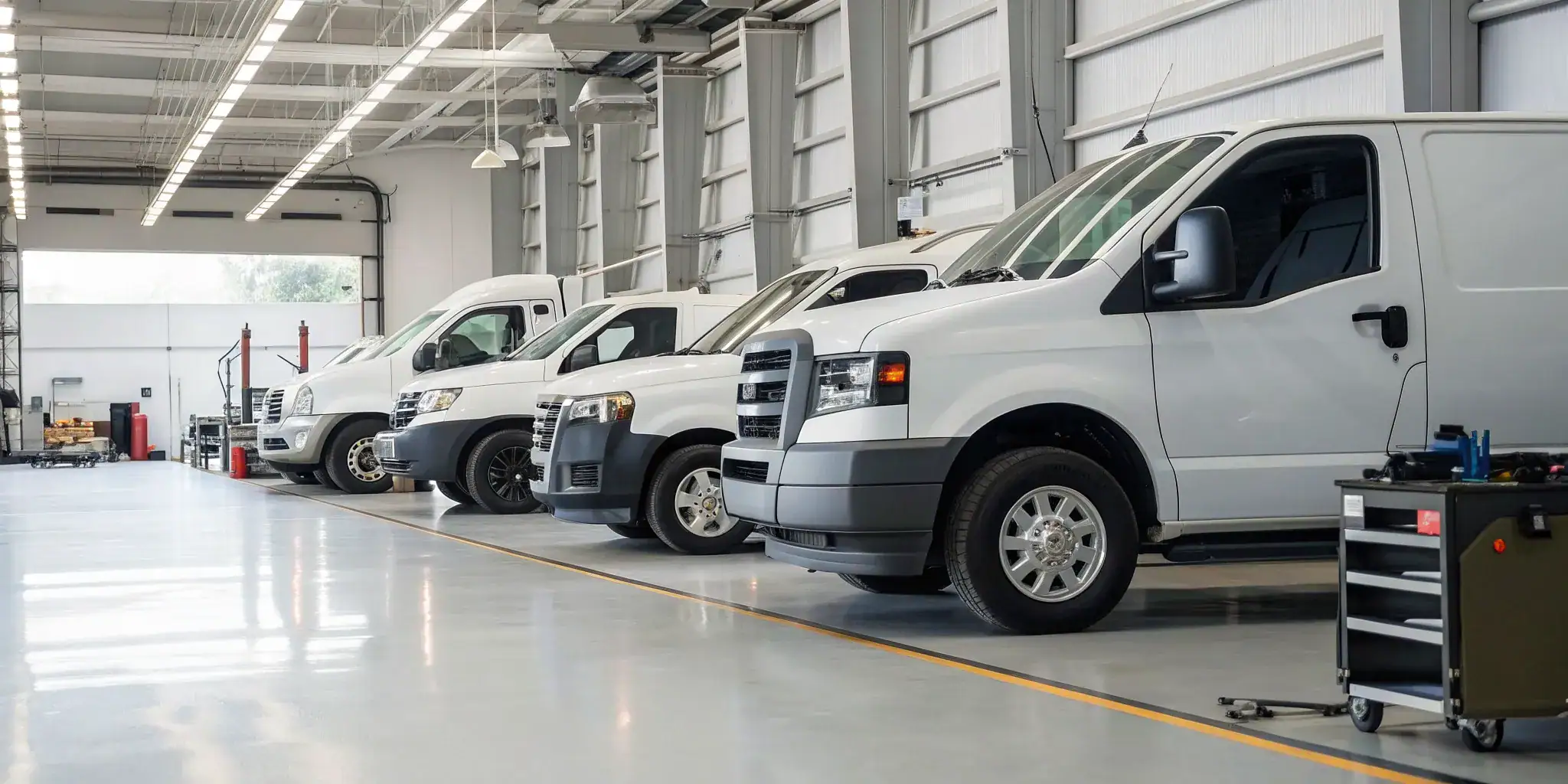
Full-service centers are the traditional one-stop shops for fleet maintenance. These large facilities are equipped with modern repair shops and staffed by skilled technicians who can handle a wide range of vehicles and issues, from routine oil changes to major engine work. Companies like Ted Wiens Complete Auto Service offer comprehensive maintenance and repair for business fleets. This option is a solid choice if you prefer having a single location to handle all your vehicle needs and don’t mind scheduling appointments and bringing your vehicles to the shop. They are well-equipped to manage diverse fleets and complex repairs.
Dealership Maintenance Programs
If your fleet consists of vehicles from a single manufacturer, a dealership maintenance program can be an excellent option. These programs offer specialized knowledge of your specific vehicle models, using genuine parts and factory-trained technicians. Providers like Enterprise Fleet Management work with businesses and government organizations to manage their fleets efficiently. This route ensures your vehicles are serviced according to the manufacturer’s exact standards, which can be important for maintaining warranties. It’s a great fit for businesses that prioritize brand-specific expertise and want to keep their vehicles in factory-approved condition.
Independent Shops for Specialized Needs
Independent repair shops can be a great resource, especially if your fleet has unique or specialized vehicles. These smaller shops often provide personalized service and may have expertise in specific areas, like heavy-duty trucks, custom vans, or alternative fuel vehicles. Keeping a fleet in top condition is a significant undertaking, and a company’s vehicles are a critical asset. An independent shop with the right skills can offer tailored attention that larger centers might not. This is a good path to explore if you need a provider who can offer flexible solutions for non-standard fleet requirements.
Related Articles
Frequently Asked Questions
How can I make my fleet maintenance costs more predictable? The best way to create a predictable maintenance budget is to shift your focus from reactive repairs to proactive care. Subscribing to a regular maintenance plan, where you pay a set fee for routine wellness checks, turns a variable expense into a fixed operational cost. This approach allows you to catch small issues during scheduled inspections, preventing them from becoming the kind of expensive, unexpected breakdowns that disrupt your budget and your business.
What specific maintenance tasks are most critical for vehicles in Las Vegas? The intense desert heat requires special attention to a few key areas. Batteries tend to fail more quickly here, so regular testing is essential. Tires wear down faster on hot pavement, making consistent pressure checks and rotations very important. A vehicle’s cooling system and air conditioning also work much harder, so you should have fluids, belts, and hoses inspected frequently to prevent overheating.
Is a mobile maintenance service a good fit for every type of fleet? Mobile maintenance is an excellent fit for businesses that want to maximize uptime by having routine services like wellness checks, oil changes, and minor repairs done on-site. This model is perfect for fleets of sedans, vans, or light-duty trucks. However, for major overhauls or highly specialized work on heavy-duty equipment, a traditional full-service center with specific lifts and tools might still be necessary.
How often should my fleet vehicles be inspected? There isn’t a single answer for every business, as the ideal frequency depends on how many miles your vehicles cover and the type of work they do. A good starting point is to have a comprehensive wellness check performed at least quarterly. For vehicles that see heavy daily use, a monthly inspection might be more appropriate. The key is to establish a consistent schedule so you can track wear and tear over time.
Besides avoiding breakdowns, what are the other business benefits of a good maintenance plan? A solid maintenance plan does more than just keep your vehicles on the road. It directly contributes to the safety of your drivers, which can improve team morale and reduce liability. It also ensures you stay compliant with safety regulations, helping you avoid fines. Finally, a fleet of clean, reliable vehicles sends a powerful message to your customers that your company is professional and trustworthy.