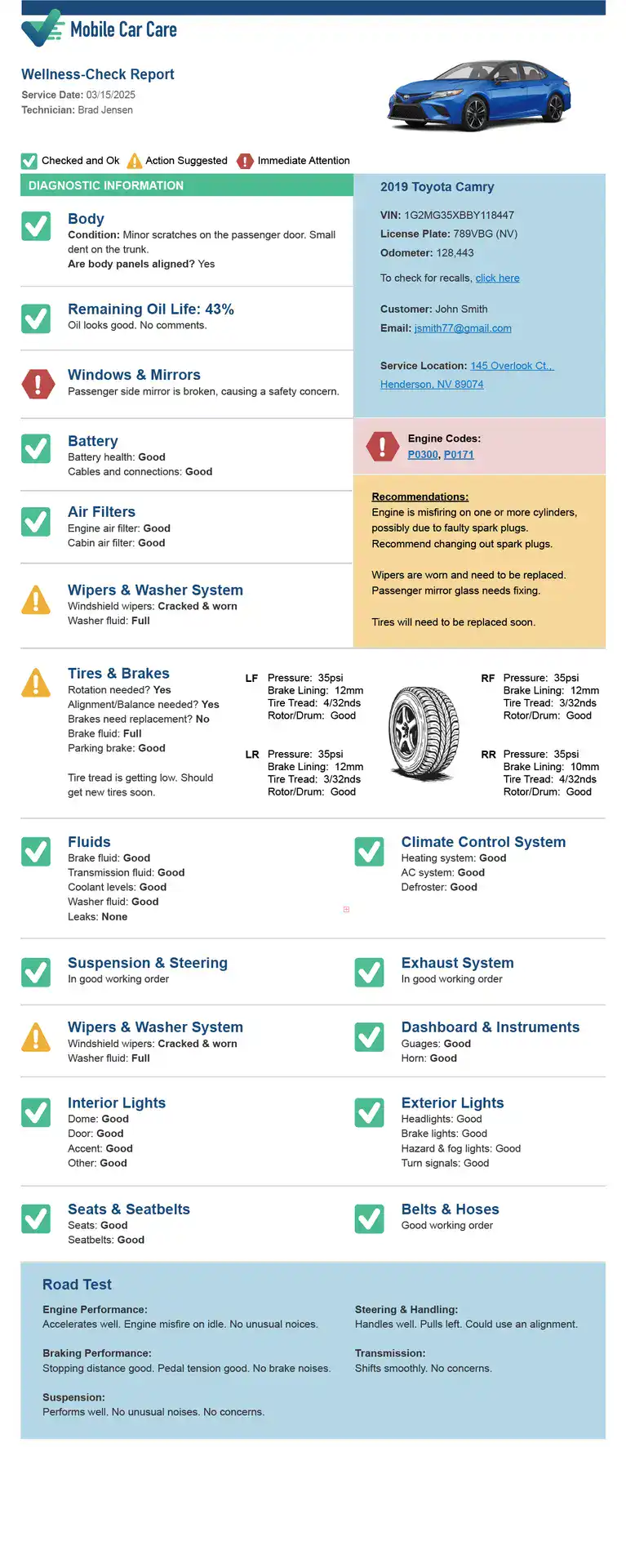

Have you ever noticed that your TPMS light is on during the first truly cold morning of the season? You’re not imagining things. A sudden drop in temperature can cause the air in your tires to contract, lowering the pressure just enough to trigger the sensor. While the light might even turn off on its own as the tires warm up from driving, you shouldn’t ignore it. This intermittent warning is still telling you that your tire pressure is hovering right at the edge of the safe zone. It’s a perfect reminder that proactive care is essential for keeping your vehicle running smoothly and safely, no matter what the weather is doing.
Key Takeaways
- Know the difference in alerts: A steady light means it’s time to check your tire pressure, but a flashing light points to a faulty sensor or system issue that needs professional attention.
- Take immediate, simple action: When the light comes on, safely pull over and check all your tires. Inflate them to the specific PSI listed on the sticker inside your driver’s door jamb for proper safety and performance.
- Stay ahead with proactive care: You can prevent most TPMS warnings by checking your tire pressure monthly. This simple habit keeps you safe, improves gas mileage, and helps your tires last longer.
Why Is My TPMS Light On?
Seeing a new warning light pop up on your dashboard can be stressful, especially when you’re busy. That little symbol that looks like a flat tire with an exclamation point is your Tire Pressure Monitoring System (TPMS) light, and it’s there to help you. Think of it as your car’s way of telling you that something with your tires needs attention. It’s a safety feature designed to catch small issues before they turn into bigger, more dangerous problems on the road.
Understanding what this light means is the first step to handling it without any panic. Most of the time, it’s a simple fix that you can take care of quickly. But ignoring it isn’t an option, as proper tire pressure is essential for your car’s safety, fuel efficiency, and overall performance. Let’s walk through what your TPMS is, why the light comes on, and what you should do about it.
What Is a Tire Pressure Monitoring System?
TPMS stands for Tire Pressure Monitoring System. It’s a built-in electronic system in your vehicle that keeps an eye on the air pressure inside your tires. Using sensors, it tracks the pressure levels and alerts you when they fall outside the safe, recommended range. The main job of the TPMS is to give you an early warning about a potential tire issue. This allows you to address the problem right away, whether it’s a slow leak or just a natural drop in pressure from changing weather. It’s a crucial safety feature that helps prevent accidents and keeps your car running smoothly.
What Triggers a TPMS Warning?
The TPMS light isn’t just for flat tires. It typically turns on when the pressure in one or more of your tires is about 25% below or even above the manufacturer’s recommended level. The most common trigger is low tire pressure, which can happen from a puncture, a slow leak, or even just from the air temperature dropping outside. Since air contracts when it gets cold, your tire pressure can dip overnight and set off the sensor. While less common, overinflated tires can also trigger the warning. This might happen if you fill your tires on a cold day and the air expands as temperatures rise.
Common Myths About TPMS Alerts
A lot of people think the TPMS light means they don’t need to check their tire pressure manually anymore. That’s a common myth. Your TPMS is a warning system for significant pressure changes, not a substitute for regular maintenance. You should still check your tire pressure at least once a month and before any long road trips. Driving with incorrect tire pressure, even if it’s not low enough to trigger the light, can cause hidden damage to your tires, hurt your gas mileage, and reduce your car’s handling and braking ability. Think of the TPMS as a safety net, not your first line of defense.
Top Reasons Your TPMS Light Comes On
Seeing a new light pop up on your dashboard can be a little jarring, but the TPMS warning is usually a straightforward fix. Your car’s Tire Pressure Monitoring System is a built-in safety feature designed to alert you to potential issues with your tires before they become serious problems. While low pressure is the most frequent cause, it’s not the only one. Understanding the different triggers can help you figure out your next move, whether it’s a quick air top-off at the gas station or scheduling a check-up. Let’s walk through the most common reasons that little light is trying to get your attention.
Low Tire Pressure
This is the number one reason your TPMS light will come on. The system does exactly what its name implies: it monitors your tire pressure. When the air in one or more of your tires drops significantly below the recommended level, the sensor sends a signal, and the warning light appears. This could be from a slow leak, a puncture, or just the natural, gradual loss of air over time. It’s a critical warning because improper tire pressure affects your car’s handling, fuel efficiency, and overall safety. Addressing it promptly is key to preventing uneven tire wear or, worse, a blowout.
Temperature Fluctuations
Have you ever noticed the TPMS light comes on during the first cold morning of the season? You’re not imagining things. Air is a gas, and it contracts when it gets cold. A significant drop in the outside temperature can cause your tire pressure to fall enough to trigger the warning light. Often, as you start driving, the friction from the road warms up your tires, causing the air inside to expand again. This can make the light turn off on its own. While it might not be a sign of a leak, it’s still a good idea to check your pressure and top it off if needed.
Faulty TPMS Sensors
Sometimes, the problem isn’t with your tires at all, but with the monitoring system itself. Each wheel has a small battery-powered sensor that sends pressure readings to your car’s computer. If one of these sensors fails or its battery dies, it can trigger the warning light. A key clue is how the light behaves. If the TPMS light flashes for about a minute when you start your car and then stays on, it’s usually signaling a system malfunction rather than a pressure issue. In this case, you’ll need a professional to diagnose and replace the faulty sensor.
Overinflated Tires
While less common, filling your tires with too much air can also set off the TPMS light. Many people focus on underinflation, but overinflation is just as problematic. It can cause your tires to wear out unevenly in the center, create a harsh and bumpy ride, and reduce your traction on the road. Just like with low pressure, the system detects when the pressure is outside the safe, recommended range. Always check your vehicle’s manual or the sticker inside the driver’s side door for the correct PSI, and never assume more air is better.
What to Do When Your TPMS Light Turns On
That little horseshoe-shaped light with an exclamation point in the middle can be a bit jarring when it pops up on your dashboard. But don’t panic! Your Tire Pressure Monitoring System (TPMS) is just doing its job. It’s an important safety feature designed to alert you before a small tire issue becomes a big problem. Think of it as a friendly heads-up.
Most of the time, this light simply means one or more of your tires needs air. Taking a few simple steps can get you back on the road safely and turn that warning light off. Let’s walk through exactly what to do, from the moment you see the light to how you can handle it yourself.
Your First Safety Steps
The moment you notice the TPMS light, your first priority is safety. Find a secure place to pull over, like a parking lot or a quiet side street, so you can assess the situation. The light is a warning that at least one tire’s pressure is significantly low or high, creating unsafe driving conditions.
Pay attention to how the light behaves when you first start your car. If it flashes for about 60 to 90 seconds and then stays on, this signals a problem with the TPMS itself, not necessarily your tire pressure. In this case, the system can’t properly warn you about low pressure, so you’ll want to have a professional inspect it. If the light is steady, it’s time to check your tires.
How to Check and Adjust Tire Pressure
Checking your tire pressure is a straightforward task you can handle with a simple tool. First, you’ll need to know the correct pressure for your tires. You can find this information on a sticker inside your driver’s side door jamb or in your owner’s manual (don’t use the number on the tire itself, as that’s the maximum pressure).
Using a tire pressure gauge, check the pressure in all four tires, even if you suspect only one is low. If you find a tire that needs air, you can use an air compressor at a local gas station to fill it to the recommended level. If the light stays on after you’ve adjusted the pressure, driving for about 10 minutes at a moderate speed can sometimes reset the system.
When Is It Safe to Keep Driving?
Driving with the TPMS light on isn’t ideal. Incorrect tire pressure can cause hidden damage to the inside of your tires, hurt your gas mileage, and reduce your car’s ability to brake and handle properly. If a tire is severely underinflated, you risk a blowout. If you absolutely must drive a short distance to get to a safe location or a service station, do so very slowly and with extreme caution.
If the light is steady, your immediate goal should be to check and inflate your tires. If the light is flashing, it means the sensor system is faulty, and you should schedule a professional inspection. For total peace of mind, our Total Care Plan includes comprehensive wellness checks where we handle details like tire pressure for you, right in your driveway.
Flashing vs. Steady TPMS Light: What’s the Difference?
So, your TPMS light is on, but what is it actually trying to tell you? The way the light behaves, whether it’s steady or flashing, is a key piece of the puzzle. Think of it as your car’s way of sending a specific signal about what needs attention. A solid light is a direct warning about your tires, while a blinking light points to a problem with the monitoring system itself. Understanding the difference helps you figure out your next steps and how urgently you need to act. Ignoring either one isn’t a great idea, as both are related to your vehicle’s safety on the road. Let’s break down what each alert means so you can respond with confidence.
What a Steady Light Means
If your TPMS light turns on and stays solid, it’s a clear and direct message: the pressure in one or more of your tires is too low or too high. This is the most common TPMS alert and acts as an immediate warning about unsafe driving conditions. Driving on improperly inflated tires can affect your car’s handling, braking, and fuel economy, so it’s important to address this right away. Your first move should be to find a safe place to pull over and visually inspect your tires. If you have a tire pressure gauge, you can check the pressure yourself. If you’re short on time or tools, scheduling a Quick Check can give you peace of mind without the hassle.
What a Flashing Light Means
A flashing TPMS light signals a different kind of problem. If the light blinks for 60 to 90 seconds when you start your car and then stays on, it means there’s a malfunction within the TPMS itself. The system might have a dead sensor battery, a wiring issue, or another fault. This is a serious issue because a malfunctioning system can’t accurately monitor your tire pressure. In other words, it won’t be able to warn you if a tire is actually low. Don’t ignore a flashing light. It’s best to have a professional inspect the system to find and fix the root cause. A service that includes a comprehensive wellness check can help diagnose these tricky electronic issues.
How to Read Different TPMS Alerts
Have you ever noticed your TPMS light turn on during a chilly morning commute, only to switch off later in the day? This on-and-off behavior is often caused by temperature changes. Cold weather makes the air inside your tires contract, causing the pressure to drop and trigger the light. As you drive, the tires warm up, the air expands, and the pressure increases, which can make the light turn off. While this is normal, you shouldn’t dismiss it. An intermittent light still indicates that your tire pressure is hovering around the minimum safe level. It’s a good idea to check and adjust the pressure to the recommended level to ensure you’re driving safely, no matter the temperature.
How to Reset Your TPMS Light
So, you’ve done everything right. You pulled over safely, checked your tire pressure, and filled each tire to the recommended PSI. But after all that, the pesky TPMS light is still staring back at you from the dashboard. Don’t worry, this is a pretty common scenario. Sometimes, the system just needs a little help recognizing that the problem is solved and it’s safe to turn the warning off. Before you start thinking there’s a bigger, more expensive issue at play, there are a couple of simple reset procedures you can try yourself at home.
These methods essentially tell your car’s computer to take another look at the tire pressure sensors and clear the alert once it confirms the pressure is correct. Think of it as the classic “turn it off and on again” solution, but for your car. It’s a way to force a recalibration without needing any special tools. Most modern vehicles are designed with these simple resets in mind, because the sensors can sometimes be a bit slow to catch up after you’ve added air. We’ll walk through two of the most common ways to reset the light: a manual button press and a specific driving cycle. We’ll also cover the clear signs that indicate it’s time to stop troubleshooting and call for professional help, so you know exactly when to hand the keys over to an expert.
Try a Manual Reset
Some vehicles make it incredibly easy with a dedicated TPMS reset button. The trickiest part is just finding it! It’s often located under the dashboard, near the steering wheel, or sometimes inside the glove box. Your best bet is to consult your owner’s manual to find its exact location. Once you’ve found it, the process is usually straightforward: with the car on, press and hold the button until the TPMS light blinks a few times. This signals that the system is recalibrating. After a short drive, the light should turn off.
Use the Drive Cycle Method
If your car doesn’t have a reset button, the drive cycle method is your next step. This process allows the car’s computer to re-read the sensors while the vehicle is in motion. After you’ve confirmed all tires are inflated to the recommended PSI, simply drive your car at a steady speed, typically around 50 miles per hour, for at least 10 minutes. This gives the sensors enough time to register the correct pressure and send the “all clear” signal. After your drive, stop the car, turn it off completely, and then restart it. For many vehicles, this is all it takes to clear the light.
When to Call for Professional Help
If you’ve tried the reset methods and that light is still stubbornly on, it’s time to call in a professional. A persistent light could signal a slow leak you can’t easily detect or a problem with one of the sensors. And if the TPMS light is flashing, that’s a more direct message that a sensor is malfunctioning or has a dead battery. Don’t ignore it. Instead of spending your day at a repair shop, a service like our Quick Check Plan can come to you. We can diagnose the issue, whether it’s a faulty sensor or a hidden tire problem, right in your driveway.
How to Prevent Future TPMS Problems
Seeing a warning light on your dashboard is always a little stressful, but the good news is that most TPMS issues are entirely preventable. A little proactive care goes a long way in keeping your tires healthy and that pesky light off. Staying on top of your tire pressure isn’t just about avoiding a warning; it’s about ensuring your safety, improving your car’s handling, and even saving money on fuel and tire replacements down the road.
Think of it as a regular wellness check for your car. By catching small issues early, you prevent them from turning into bigger, more expensive problems. You can definitely handle some of these checks yourself, but if you’d rather leave it to the experts, a recurring maintenance plan can take the guesswork out of it. Our Total Care Plan, for example, includes comprehensive wellness checks that cover your tires and so much more, all done right in your driveway. It’s the easiest way to keep your car in top shape without disrupting your busy schedule.
Essential Tools for Tire Maintenance
You don’t need a full mechanic’s toolkit to stay on top of your tire health. You really only need two simple items. First is a reliable tire pressure gauge. Digital ones are super easy to read, but a classic pencil gauge works just as well. This little tool is your best friend for getting an accurate pressure reading. Second, consider getting a portable air compressor. These small devices plug into your car’s power outlet and can inflate your tires in minutes, saving you a trip to the gas station. Having these tools on hand makes it easy to perform quick checks and adjustments whenever you need them.
Find Your Vehicle’s Requirements
So, what’s the right pressure for your tires? It’s not a guessing game. Your vehicle’s manufacturer has already figured out the perfect number for optimal safety and performance. You can find this recommended tire pressure, measured in PSI (pounds per square inch), on a sticker located inside the driver’s side door jamb. If it’s not there, your owner’s manual will have the information. It’s important to use this specific number, not the one printed on the tire itself. That number indicates the maximum pressure the tire can hold, not the recommended level for your specific vehicle.
Tips for Proactive Tire Care
Once you know your target PSI, get into the habit of checking your tire pressure about once a month and always before a long road trip. Tires naturally lose a little air over time, and big temperature swings can also affect their pressure. Driving with improperly inflated tires can reduce your gas mileage, wear out your tires much faster, and make your car harder to handle, especially when braking or turning. For total peace of mind, our Essential Plan includes regular 85-point wellness checks where we inspect your tires and ensure they’re perfectly inflated every time.
Related Articles
- Tire Pressure Service: What’s Included & What It Costs – Mobile Car Care
- Tire Pressure Adjustment: A Step-by-Step Guide – Mobile Car Care
- Tire Pressure Low? Here’s What to Do Next – Mobile Car Care
Frequently Asked Questions
Why did my TPMS light turn off on its own? Is the problem fixed? Not necessarily. This often happens when the outside temperature changes. For example, a cold night can cause your tire pressure to drop and trigger the light, but as you drive, the tires warm up, the air inside expands, and the light turns off. While the immediate warning is gone, it’s a sign that your tire pressure is hovering right at the low end of the safe range. You should still check the pressure in all your tires and add air as needed to bring them to the recommended level.
If the light is on, can I just drive to the nearest gas station to add air? Your first step should always be to pull over somewhere safe and do a quick visual check. If a tire looks obviously flat, you shouldn’t drive on it at all. If the tires look okay, driving a short distance to a service station is usually fine, but you should do so slowly and carefully. Driving on a significantly underinflated tire can cause permanent damage and is a major safety risk, so minimizing the distance you drive is key.
My light is flashing, not steady. What’s the big deal? A flashing light is a big deal because it means the monitoring system itself has a problem. It’s not warning you about your tire pressure; it’s telling you that it can’t do its job properly. This could be due to a dead sensor battery or another malfunction. The danger is that if you get a real leak or low pressure, the broken system won’t be able to alert you. You should get the system checked by a professional as soon as you can.
I filled my tires to the correct pressure, but the light is still on. What now? This is very common. Sometimes the system needs a moment to catch up and recognize that the pressure has been corrected. Try driving for about 10 to 15 minutes at a steady speed, which often gives the sensors time to recalibrate and turn the light off. Some cars also have a manual reset button, so check your owner’s manual. If the light stays on after that, it could point to a faulty sensor or a slow leak that needs a professional diagnosis.
How often should I really be checking my tire pressure myself? The TPMS light is a great safety feature, but it’s not a substitute for regular maintenance. It only alerts you when the pressure is already significantly low. To keep your tires in the best shape, you should check the pressure with a gauge at least once a month and always before you head out on a long road trip. This simple habit helps you catch small pressure drops before they become big enough to trigger the light, which is better for your tires, your fuel economy, and your safety.