
Let’s be honest: your schedule is already packed. The last thing you need is the logistical headache of coordinating with a seller to get a used car to a mechanic’s shop for an inspection. Finding a reputable garage, booking an appointment, and then waiting for hours is a hassle that can make the car-buying process feel overwhelming. The modern solution is an on-site car inspection, a service designed for busy people like you. A certified technician comes directly to the car’s location—whether it’s at the seller’s home or office—saving you precious time and effort. This guide breaks down this convenient process and shows you how to get expert peace of mind without disrupting your day.
Key Takeaways
- Uncover Problems a Test Drive Can’t: A professional inspection looks past a car’s shiny exterior to find hidden issues like frame damage, slow leaks, or shoddy accident repairs, protecting you from costly surprises down the road.
- Gain Leverage for a Better Deal: The detailed inspection report provides objective proof of the car’s true condition, giving you the facts you need to confidently negotiate a lower price or walk away from a bad investment.
- Save Time and Avoid the Hassle: An on-site service brings a certified technician directly to the car’s location, eliminating the need to coordinate schedules and trips to a mechanic’s shop, which simplifies the entire buying process.
What Is an On-Site Car Inspection?
Think of an on-site car inspection as a house call for a vehicle you’re thinking about buying. Instead of you having to figure out how to get a used car to a mechanic’s shop, a professional technician comes to the car’s location—whether that’s the seller’s driveway, their office parking lot, or even a dealership. It’s a complete, top-to-bottom evaluation of the vehicle’s condition, performed by an expert, designed to give you a clear and unbiased picture of what you’re really buying.
This service is all about taking the guesswork out of the used car buying process. A shiny exterior can hide a multitude of problems, and a short test drive rarely tells the whole story. An on-site inspection gives you an expert set of eyes to look for hidden issues, from engine trouble and past accident damage to potential safety concerns. It’s a straightforward way to get the information you need to either walk away from a bad deal or confidently negotiate a fair price.
How the Inspection Works
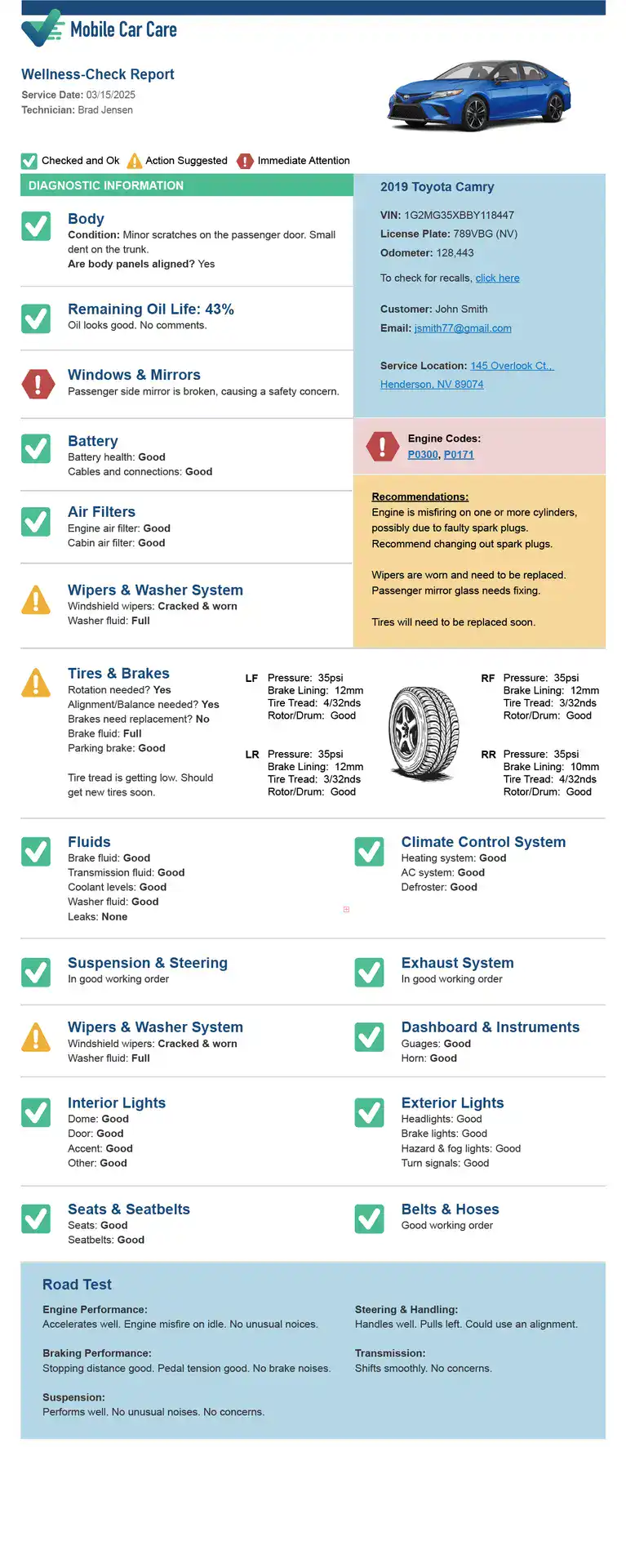
The process is refreshingly simple. It usually starts with you booking the inspection online or over the phone. From there, the inspection service takes over, contacting the seller to arrange a convenient time and place to see the vehicle. A technician then travels to the car and performs a thorough check, covering everything from the engine and transmission to the brakes and electronics. Afterward, you’ll receive a detailed report that breaks down their findings, often including photos, a comprehensive checklist, and specific recommendations so you know exactly what you’re dealing with.
Who Performs the Inspection?
You’re not just getting a car enthusiast to kick the tires. On-site inspections are conducted by experienced and often certified technicians. Many of these professionals hold certifications from organizations like ASE (Automotive Service Excellence), which is the industry standard for automotive technician competence. These are the same types of mechanics you’d trust at a traditional repair shop, but they have the tools and expertise to bring their skills directly to the vehicle’s location. This ensures you get a professional, knowledgeable assessment from someone whose only job is to give you the facts.
On-Site vs. Traditional Inspections
The biggest difference between an on-site and a traditional inspection is convenience. With a traditional inspection, you have to coordinate with the seller to take the car to a garage, which can be a logistical headache. An on-site service eliminates that entire step by bringing the expert directly to the car. This saves you time, hassle, and the awkwardness of asking a seller to let you take their car across town. The goal is the same—to help you avoid buying a lemon—but the on-site approach is built around your schedule, making the entire process smoother and less stressful.
What Does an On-Site Inspection Cover?
So, what exactly happens during an on-site car inspection? Think of it as a complete physical for the vehicle, performed right at your home, office, or the seller’s location. A certified technician will conduct a thorough, top-to-bottom evaluation to give you a clear picture of the car’s true condition. This isn’t just a quick look under the hood; it’s a deep dive into the car’s most critical systems and components. The goal is to uncover any potential issues that aren’t obvious during a test drive. This includes everything from hidden mechanical problems and signs of past accidents to non-working interior features.
The technician methodically works through a detailed checklist, examining the engine, body, interior, and safety systems to ensure nothing is overlooked. They’ll check fluid levels, look for leaks, test the battery, and listen for any unusual sounds that could signal trouble. This process is designed to give you the information and confidence you need to make a smart purchase. It transforms a potentially risky decision into an informed one, arming you with facts instead of just a gut feeling. Before you commit to a major purchase, understanding exactly what’s happening under the surface is essential for your safety and your wallet. Let’s break down the key areas a professional inspection covers.
Checking the Mechanical Systems
This is where the technician gets into the heart of the vehicle. The inspection focuses on the major mechanical components that keep the car running safely and reliably. This includes a close look at the engine for any leaks, unusual noises, or signs of poor maintenance. The transmission is checked for smooth shifting and proper fluid levels. Critically, the brakes, steering, and suspension systems are evaluated to ensure they are in safe working order. A technician can spot worn-out brake pads, failing suspension parts, or steering issues that could compromise your safety on the road.
Assessing the Body and Exterior
A car’s exterior can tell a story, and a trained technician knows how to read it. This part of the inspection involves looking for evidence of past accidents, which might not be disclosed by the seller. The technician will check for inconsistent paint finishes, uneven gaps between body panels, and signs of shoddy repair work. They’ll also inspect the frame for any damage that could affect the car’s structural integrity. Beyond accident damage, the exterior check includes looking for rust, corrosion, dings, and scratches, as well as assessing the condition of the tires, wheels, and glass.
Reviewing Interior Features
You want to be sure that all the bells and whistles you’re paying for actually work. The interior inspection covers all the features that contribute to your comfort and convenience. The technician will test the air conditioning and heating systems, the radio, and all power functions like seats, windows, and mirrors. They’ll also check the dashboard for any warning lights, inspect the upholstery for excessive wear or damage, and look for any strange odors that could point to water leaks or mold. This ensures there are no frustrating surprises waiting for you after you’ve signed the papers.
Your Detailed Inspection Report
After the physical inspection is complete, you’ll receive a comprehensive report that outlines everything the technician found. This isn’t just a simple pass/fail grade; it’s a detailed breakdown of the vehicle’s condition, often including high-resolution photos of any problem areas. Services like Mobile Car Care’s Total Care plan provide an 85-point wellness check with a full report. This document is your most powerful tool. It’s written in easy-to-understand language and gives you the concrete evidence you need to negotiate a better price with the seller or confidently walk away from a bad deal.
Why You Need an On-Site Inspection Before Buying a Used Car
Buying a used car can feel like a gamble, but it doesn’t have to be. While a test drive and a vehicle history report are great starting points, they only tell part of the story. A professional on-site inspection is your best tool for understanding exactly what you’re buying before you commit. It’s about more than just kicking the tires; it’s about making a smart, informed investment and avoiding a future of unexpected repair bills. Think of it as bringing an expert advocate with you to ensure the car is as good as it looks.
Spot Problems a Test Drive Won’t Reveal
A quick spin around the block can tell you how a car feels, but it won’t uncover hidden issues lurking under the hood or frame. Problems like slow fluid leaks, early signs of rust, or complex electrical faults are nearly impossible for the average buyer to detect. A professional technician, however, knows exactly what to look for. A thorough pre-purchase inspection can uncover underlying issues, even in relatively new cars, that could turn into major headaches down the road. This expert assessment goes far beyond the surface level, giving you a true picture of the vehicle’s mechanical and structural health.
Gain Confidence to Negotiate a Better Price
Knowledge is power, especially at the negotiating table. When an inspection uncovers issues—like worn-out tires, aging brake pads, or a soon-to-be-needed timing belt replacement—you gain significant leverage. The inspection report serves as an objective, third-party assessment of the car’s condition. You can use this report to ask the seller for a lower price to cover the cost of future repairs or to request that they fix the problems before you finalize the purchase. This information helps you negotiate a better deal and ensures the price you pay is fair for the car’s actual condition.
Save Time and Avoid Hassle
Let’s be honest: your time is valuable. The traditional process of getting a used car inspected is a logistical headache. You have to convince the seller to let you take their car, find a reputable shop, schedule an appointment, and then spend hours waiting for the results. An on-site inspection service eliminates all of that. The certified technician comes directly to the car’s location—whether it’s at the seller’s home, office, or a dealership. This convenience saves you from rearranging your entire day and makes the whole car-buying process smoother and far less stressful.
Get Peace of Mind Before You Buy
Ultimately, a pre-purchase inspection is about confidence. Buying a car is a major financial decision, and the last thing you want is to be filled with doubt the moment you drive off the lot. An inspection provides the assurance that you’re not buying someone else’s problems. Knowing a professional has thoroughly vetted the vehicle allows you to make your decision with clarity. Whether the report confirms the car is in great shape or reveals red flags that convince you to walk away, you’ll have the peace of mind that comes from making a well-informed choice for you and your family.
Key Red Flags an On-Site Inspection Uncovers
A used car might look perfect sitting on the lot, but its appearance can be deceiving. A shiny coat of paint and a clean interior don’t tell you the whole story, and that’s where a professional on-site inspection makes all the difference. A trained technician knows exactly what to look for, spotting the subtle clues and hidden issues that most buyers would miss. Think of it as having an expert advocate on your side, someone who can look past the surface and assess the car’s true condition, leveling the playing field between you and the seller.
From the engine and transmission to the frame and safety systems, a comprehensive check uncovers the kind of problems that turn a dream car into a financial nightmare. These aren’t just minor imperfections; they’re significant red flags that could signal expensive repairs down the road or, even worse, compromise your safety. An inspection gives you the full picture, so you can make a decision based on facts, not just feelings. With a detailed report in hand, you’ll know whether to walk away or negotiate with confidence. Our Quick Check plan is designed to give you exactly this kind of clarity and peace of mind before you commit to a purchase.
Signs of Past Accidents and Shoddy Repairs
One of the biggest fears when buying a used car is unknowingly purchasing a vehicle with a history of accidents. Even if a car looks pristine, it could be hiding subpar repair work. A trained inspector can spot tell-tale signs like mismatched paint colors between panels, uneven gaps where doors or the hood meet the body, or overspray on trim and windows. They can also detect the use of body filler, a common shortcut to hide dents. A professional pre-purchase car inspection helps uncover these issues, giving you confidence that the car’s clean appearance isn’t just a cover-up for a troubled past.
Rust, Corrosion, and Frame Damage
Rust is more than just a cosmetic problem—it’s a car’s cancer. While a little surface rust might be normal, significant corrosion can eat away at the vehicle’s structural components, including the frame. An inspector knows the common hiding spots for rust, like under the carpets, inside the wheel wells, and on the undercarriage. More importantly, they can identify signs of frame damage, which is a serious red flag indicating the car was likely in a major collision. A bent or welded frame can compromise the vehicle’s alignment, handling, and ability to protect you in a future crash, making this check absolutely essential.
Hidden Leaks and Engine Trouble
Engine and transmission problems are often the most expensive issues to fix. While a test drive might not reveal any obvious trouble, a technician can spot the early warning signs. An inspector will check for hidden fluid leaks—oil, coolant, transmission, or power steering fluid—that can signal failing gaskets or seals. They’ll also listen for subtle engine noises, check fluid conditions, and look for smoke from the exhaust. A professional can identify problems that are just beginning to produce a symptom, no matter how subtle, catching minor troubles before they become major mechanical failures.
Brake, Suspension, and Safety System Issues
Your car’s brakes, suspension, and safety systems are critical for keeping you safe on the road. An on-site inspection includes a thorough check of these critical components. The technician will assess the condition of the brake pads, rotors, and fluid levels to ensure the car can stop effectively. They’ll also examine the suspension system—including shocks, struts, and ball joints—for wear and tear that could affect handling and stability. Finally, they’ll verify that essential safety features, like airbags and anti-lock brakes (ABS), are functioning correctly and that no warning lights are illuminated on the dash. These checks ensure the car isn’t just drivable, but truly safe.
How to Choose the Right On-Site Inspection Service
Once you’ve decided to get a pre-purchase inspection, the next step is choosing the right company for the job. Not all services are created equal, and picking a thorough, reliable provider is key to getting the peace of mind you’re after. You’re trusting them to be your eyes and ears, catching potential issues that could cost you thousands down the road. To make sure you’re putting your trust in the right hands, focus on a few key areas: the technician’s qualifications, the quality of their report, the transparency of their pricing, and what other customers have to say. Doing a little homework here will help you find a service that gives you a truly clear picture of the car’s health.
Check for Certified Technicians
The quality of an inspection comes down to the expertise of the person performing it. You wouldn’t want an amateur looking at your potential new car, so make sure the service you choose employs certified professionals. Look for technicians who are certified by Automotive Service Excellence (ASE), which is the industry standard for mechanic competency. An ASE certification means the technician has passed rigorous testing and has hands-on work experience. This isn’t just a piece of paper; it’s your assurance that the person examining the vehicle has a deep understanding of complex automotive systems and knows exactly what to look for. A company that invests in certified technicians is investing in quality and reliability.
Look for Detailed, Easy-to-Read Reports
After the inspection is complete, you’ll receive a report detailing the findings. This document is the entire point of the exercise, so it needs to be clear, comprehensive, and easy to understand. Steer clear of services that only provide a simple checklist. A top-tier inspection service will give you a detailed report that explains each checkpoint, includes high-resolution photos of any problem areas, and offers professional notes. This visual evidence is crucial for understanding the true condition of the vehicle. A great report empowers you to either walk away from a bad deal or negotiate repairs with confidence.
Understand the Pricing and What’s Included
On-site inspection costs can vary, so it’s important to understand what you’re paying for. While some services might advertise a low base price, they may not cover everything you need. A comprehensive inspection should cover everything from the engine and transmission to the brakes, suspension, and electrical systems. When comparing services, look at their different packages and see exactly what’s included. Mobile Car Care offers several plans, from a Quick Check for a basic overview to more in-depth options. Transparent pricing without hidden fees is the sign of a trustworthy company that is focused on providing value, not just a cheap service.
Read Customer Reviews and Check for Guarantees
Before booking an inspection, take a few minutes to see what past customers are saying. A quick search on Google or Yelp can reveal a lot about a company’s reliability and the quality of its service. Look for reviews that mention specific details, like how an inspection uncovered a hidden issue or saved a buyer from a costly mistake. Consistently positive feedback is a strong indicator that you’re dealing with a reputable provider. As one customer noted about a similar service, their inspection found “serious issues that sellers might not tell you about.” That’s the kind of insight you’re paying for, and real-world reviews are the best way to confirm you’ll get it.
How Much Does an On-Site Car Inspection Cost?
So, what’s the price tag for this kind of peace of mind? The cost of an on-site car inspection isn’t one-size-fits-all, but it’s almost always a smart investment compared to the potential cost of surprise repairs. Generally, you can expect a mobile on-site inspection to cost somewhere between $150 and $200, though more in-depth checks can run higher. Think of it as a small price to pay to avoid buying a car with hidden, expensive problems. The final cost depends on what you need checked and the level of detail you’re looking for.
What Influences the Price?
Several key factors determine the final cost of your inspection. The biggest one is how thorough the check is. A basic inspection covering the essentials will cost less than a premium one that dives deep into every system. Another factor is whether you add a detailed history check, which looks into past accidents, ownership history, and service records. While this adds to the price, it gives you a much clearer picture of the car’s past life. The type of vehicle—like a luxury car or a large truck—can also influence the cost, as they often have more complex systems to evaluate.
Comparing Service Packages and Value
When you start looking at different providers, you’ll notice they often offer tiered packages. Prices for pre-purchase auto inspections can start around $180 for a basic package and go up to $300 or more for premium options. It’s tempting to just go for the cheapest option, but it’s important to compare what’s included. A basic plan might cover the engine and brakes, while a premium plan could add computer diagnostics, a frame inspection, and a more detailed report. The best value isn’t always the lowest price; it’s the package that gives you the confidence you need to make a smart purchase.
Is It Really Worth the Cost?
Absolutely. Spending a couple of hundred dollars on an inspection might feel like an extra expense, but it can save you thousands in the long run. A professional inspection helps uncover hidden issues that you’d never spot on a test drive, even on a car that looks perfect. It gives you negotiating power if problems are found, or the confidence to walk away from a bad deal. Ultimately, it’s an investment in your safety and financial well-being, ensuring the car you’re about to buy is reliable and won’t drain your bank account with unexpected repairs down the road.
A Look at Mobile Car Care’s Inspection Plans
At Mobile Car Care, we bring the inspection directly to you, saving you time and hassle. Our goal is to make car ownership easier and more transparent, starting with the buying process. Our one-time Quick Check plan is perfect for a pre-purchase inspection, giving you a comprehensive 85-point wellness check and a detailed report on the vehicle’s health. We send a certified technician to check the car before you buy, so you can make an informed decision with total confidence. If you decide to buy the car, you can continue proactive maintenance with our Essential or Total Care plans.
Related Articles
- Used Car Pre-Purchase Inspection Guide: Everything You Need to Know
- Pre-Purchase Car Inspection: A Smart Buyer’s Guide
- The Complete Guide to Used Car Inspections
Frequently Asked Questions
Do I need to be present for the inspection? Not at all, and that’s one of the biggest benefits. You can be at work, at home, or running errands while the technician handles everything. The inspection service coordinates directly with the seller to find a convenient time. Once the check is complete, you’ll receive a full digital report with photos and notes, giving you all the information you need to review on your own schedule.
How long does the on-site inspection usually take? A thorough inspection typically takes between 60 to 90 minutes to complete. The exact time can vary depending on the type of vehicle and the specific package you choose. The technician is methodical and works through a detailed checklist to make sure nothing is overlooked, from the engine and brakes to the interior electronics.
What happens if the seller won’t allow an inspection? A seller’s refusal to allow a professional inspection is a major red flag. A transparent seller with nothing to hide should have no problem with an expert looking over the car. If they resist, it’s often a sign they know about a problem they don’t want you to find. While it can be disappointing, it’s usually best to thank them for their time and walk away from the deal.
Is an inspection still a good idea if the car has a clean vehicle history report? Yes, absolutely. A vehicle history report is a great tool, but it doesn’t tell the whole story. It only shows what’s been officially reported, so it can miss accidents that were never filed with insurance or mechanical issues that have developed from poor maintenance. An inspection provides a real-time, physical assessment of the car’s current condition, which is something a history report simply can’t do.
Can the technician fix any problems they find on the spot? The purpose of a pre-purchase inspection is purely diagnostic. The technician’s role is to be an unbiased expert who assesses the vehicle’s condition and provides you with a detailed report. They do not perform repairs during the inspection. This ensures their findings are completely objective, giving you the clear, factual information you need to make a smart decision about your purchase.